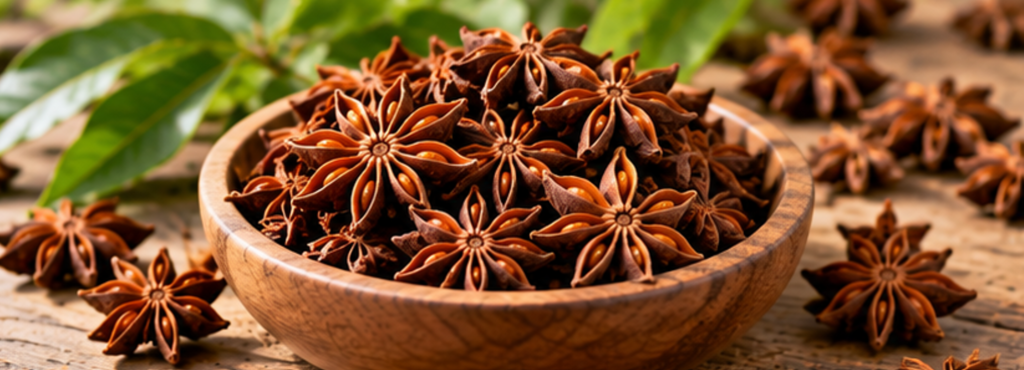
Vietnam Star Anise is one of the country’s most distinctive aromatic spices, widely recognized for its beautiful star-shaped appearance, sweet licorice-like aroma, and important role in international food and seasoning markets.
For global importers, spice wholesalers, food manufacturers, and seasoning producers, Vietnamese star anise offers sourcing opportunities in different grades and product forms, including whole stars, broken pieces, and selected processed products.
However, successful bulk purchasing requires more than comparing prices. Buyers should understand the botanical identity, product grades, moisture content, essential oil characteristics, food safety requirements, packaging, and export documentation.
This guide explains what international B2B buyers should know before purchasing star anise from Vietnam.
1. What Is Vietnam Star Anise?
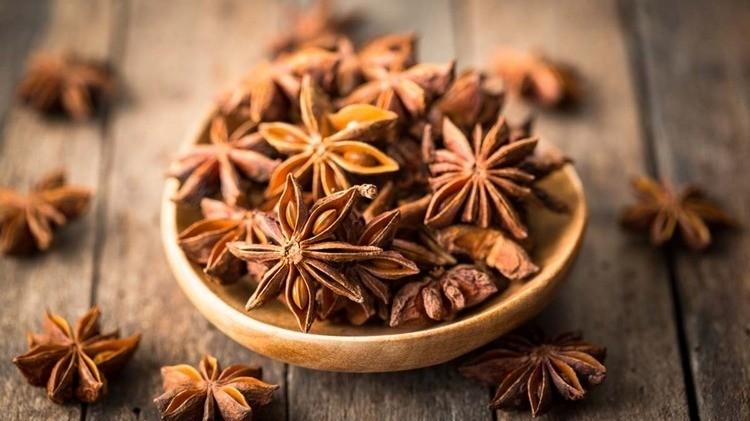
Star anise is the dried fruit of Illicium verum, an evergreen tree cultivated in parts of Asia, including Vietnam.
Its fruit typically develops into a star-shaped structure consisting of several pointed segments, each containing a seed.
The dried fruit is valued for its characteristic sweet, warm, licorice-like aroma, which is largely associated with the aromatic compound anethole.
Vietnamese star anise is used in a variety of commercial applications:
- Whole-spice retail packaging
- Seasoning and spice-blend manufacturing
- Soup and broth production
- Meat and savory food preparations
- Beverage and tea blending
- Foodservice and wholesale distribution
- Selected industrial processing applications
The appropriate product form and grade depend on the buyer’s intended application.
2. Where Is Star Anise Grown in Vietnam?
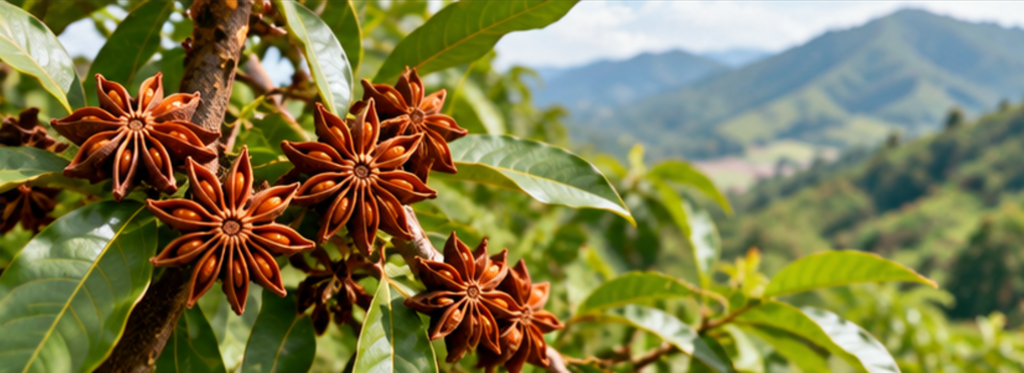
Vietnam has established star anise cultivation in northern mountainous regions.
Lang Son Province is particularly well known for its star anise-growing tradition. Other northern growing areas may also contribute to commercial supply.
The characteristics of star anise can be influenced by several factors:
- Growing region and local climate
- Tree maturity
- Harvest timing
- Fruit development
- Drying methods
- Sorting and processing
- Storage conditions
These factors may affect appearance, aroma, moisture content, and the percentage of whole stars.
For international buyers, geographic origin can be useful information, but the final purchasing decision should be based on actual product specifications and verified quality.
3. Why Is Vietnamese Star Anise Popular in International Markets?
Distinctive Natural Aroma
Star anise is valued for its recognizable sweet, licorice-like fragrance.
Its aromatic profile makes it suitable for a variety of food formulations, particularly savory spice blends and traditional Asian-inspired products.
Attractive Whole-Star Appearance
Whole star anise has a distinctive visual appearance that can be appealing for retail spice packaging and foodservice applications.
Buyers purchasing whole-star grades often pay particular attention to shape, color, size, and the percentage of intact fruit.
Multiple Commercial Applications
Vietnamese star anise can be used as a whole spice, processed into smaller pieces, or ground for specific manufacturing applications.
This flexibility makes it relevant to different types of buyers.
Established Sourcing Opportunities
Vietnam has a history of star anise cultivation and trade.
Nevertheless, quality and export capabilities vary among suppliers. Importers should confirm specifications, available quantities, documentation, and inspection arrangements before placing an order.
4. Main Grades and Types of Vietnam Star Anise
Understanding the different commercial forms is essential when preparing a request for quotation.
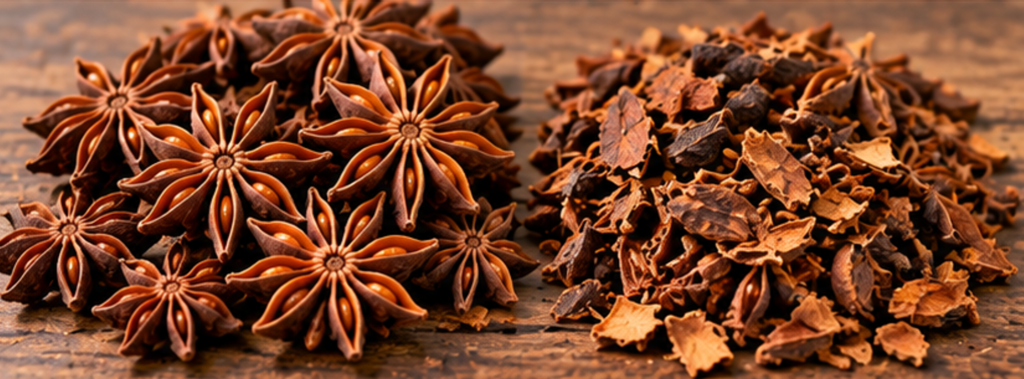
4.1. Whole Star Anise
Whole star anise consists of dried fruits that retain their recognizable star shape.
Depending on the agreed grade, buyers may require a high percentage of intact stars and limits on broken pieces.
Common applications:
- Premium retail spice packaging
- Foodservice distribution
- Whole-spice assortments
- Culinary preparations
- Specialty spice wholesalers
When purchasing whole star anise, buyers should specify:
- Minimum whole-star percentage
- Acceptable broken percentage
- Size range, if required
- Moisture content
- Color and appearance
- Foreign matter limits
- Aroma requirements
The exact number of points on an individual fruit can vary naturally. A commercial grade should be defined through agreed inspection criteria rather than relying on a single visual characteristic.
4.2. Broken Star Anise
Broken star anise consists of dried star anise pieces that do not retain the complete star shape.
It may be suitable for industrial applications where appearance is less important than aroma and processing suitability.
Common applications:
- Spice grinding
- Seasoning manufacturing
- Food ingredient blending
- Industrial food processing
Buyers should clarify whether the material includes only broken fruit segments or also other permitted components, and establish appropriate cleanliness and foreign matter requirements.
4.3. Star Anise Pieces
Star anise pieces may be prepared for specific manufacturing processes that require smaller or more uniform material.
The required size distribution should be agreed upon before production.
4.4. Star Anise Powder
Star anise powder is produced by grinding suitable dried star anise.
It can be used in seasoning blends and processed food formulations.
For powdered star anise, buyers should pay particular attention to:
- Botanical authenticity
- Particle size
- Moisture content
- Microbiological quality
- Foreign matter
- Chemical contaminants
- Storage and packaging
- Traceability
Ground spices may be more difficult to assess visually than whole spices, making supplier verification and appropriate laboratory testing especially important.
5. Vietnam Star Anise Specifications for Importers
The following table outlines important specification categories for international buyers.
Note: These are recommended purchasing criteria, not guaranteed VinaSpices product specifications. Actual values should be confirmed for each order.
| Specification | What Buyers Should Confirm |
|---|---|
| Product name | Dried Star Anise |
| Botanical name | Illicium verum |
| Country of origin | Vietnam |
| Product form | Whole, broken, pieces, or powder |
| Moisture content | Agreed maximum percentage |
| Whole-star percentage | According to purchased grade |
| Broken percentage | Agreed maximum percentage |
| Color | Natural color appropriate to grade |
| Aroma | Characteristic star anise aroma |
| Foreign matter | Agreed maximum percentage |
| Essential oil content | Minimum level, if required |
| Microbiological criteria | Buyer and destination-market requirements |
| Chemical contaminants | Applicable legal and contractual limits |
| Packaging | Cartons, bags, or other agreed materials |
| Traceability | Batch and origin information as agreed |
A detailed specification sheet allows buyers to compare quotations more accurately and establish consistent quality expectations.
6. Essential Oil and Aroma of Star Anise
Essential oil content can be an important purchasing criterion for star anise, especially for buyers who require a particular aromatic profile.
Star anise essential oil contains aromatic compounds, with trans-anethole typically being a major constituent.
However, essential oil percentage and anethole percentage are not the same measurement.
Buyers should clearly distinguish between:
- Essential oil yield from the dried spice
- Chemical composition of the essential oil
- Sensory aroma characteristics
- Requirements for a particular industrial application
Factors Affecting Essential Oil Content
- Botanical identity
- Growing conditions
- Fruit maturity
- Harvest timing
- Drying temperature and duration
- Storage conditions
- Analytical testing method
For buyers requiring a minimum essential oil content, an agreed laboratory test method and acceptance criteria should be included in the purchasing specification.
Suppliers should not guarantee a specific oil content without appropriate supporting test results.
7. Moisture Content and Quality Control
Moisture management is essential for dried star anise intended for storage and international transportation.
Excessive moisture can increase the risk of deterioration, particularly when products are transported over long distances or stored under humid conditions.
The appropriate moisture specification depends on product form, intended application, and commercial requirements.
Recommended Quality Inspection Checklist
Before confirming a bulk star anise order, buyers should consider:
- Verification of botanical identity
- Visual inspection of whole and broken pieces
- Moisture testing
- Aroma assessment
- Foreign matter inspection
- Pest and infestation checks
- Microbiological testing where required
- Chemical contaminant testing where applicable
- Packaging integrity
- Batch traceability
For large orders, independent pre-shipment inspection may provide additional assurance.
Important Food Safety Consideration
Food-grade star anise should be correctly identified as Illicium verum.
Other species with similar-looking fruits, including Japanese star anise (Illicium anisatum), are not suitable substitutes for culinary star anise.
Accurate botanical identification and a reliable supply chain are therefore particularly important.

8. Whole Star Anise vs. Broken Star Anise
International buyers often ask whether whole or broken star anise is more suitable for their business.
The answer depends on the intended use.
| Feature | Whole Star Anise | Broken Star Anise |
|---|---|---|
| Appearance | Mostly intact star-shaped fruits | Irregular fruit segments |
| Common use | Retail, foodservice, whole-spice sales | Grinding and industrial processing |
| Visual uniformity | Generally more important | Generally less important |
| Quality criteria | Whole percentage, appearance, moisture | Cleanliness, size, moisture |
| Processing | May be sold as whole spice | Often processed further |
| Pricing | Depends on grade and market conditions | Depends on quality and availability |
Whole star anise is often preferred when visual presentation matters.
Broken star anise may be suitable for buyers who plan to grind or blend the spice.
However, broken material should not automatically be assumed to have the same quality characteristics as whole-star grades.
Both forms require appropriate food safety controls and clear product specifications.
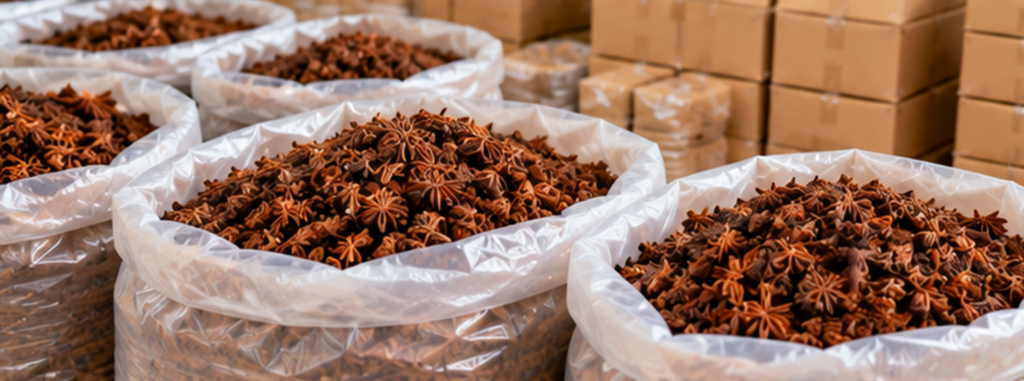
9. Packaging Options for Vietnam Star Anise Export
Proper packaging helps protect dried star anise from moisture, contamination, crushing, and aroma loss during transportation.
Carton Packaging
Cartons may be used for selected whole-star grades or other products requiring protection against physical damage.
Inner food-grade liners may be appropriate depending on the agreed packaging design.
Bulk Bags
Certain industrial grades may be packed in suitable bags, subject to product requirements and buyer approval.
Customized Packaging
Buyers may request particular net weights, labeling, or retail packaging arrangements where the supplier can support them.
Key Packaging Requirements
- Moisture protection
- Food-contact material suitability
- Product identification
- Batch traceability
- Accurate net weight
- Suitable stacking and handling
- Destination-market labeling compliance
Buyers should confirm packaging details before approving a purchase order.
10. How to Import Star Anise from Vietnam
A structured sourcing process can help reduce commercial and quality risks.
Step 1: Define the Product
Specify whether you need whole star anise, broken pieces, or powder.
Step 2: Prepare Your Quality Requirements
Include moisture limits, whole-star percentage, foreign matter limits, aroma requirements, and relevant testing criteria.
Step 3: Request a Quotation
Contact a Vietnam star anise supplier with the required quantity, packaging, destination port, and preferred shipping terms.
Step 4: Request Samples
Review representative samples and arrange laboratory testing where appropriate.
Step 5: Confirm Commercial Terms
Agree on price, payment conditions, Incoterms, shipment timing, and inspection arrangements.
Step 6: Verify Import Regulations
Confirm customs, phytosanitary, food safety, labeling, and other destination-specific requirements.
Step 7: Approve Shipment
Ensure that the final shipment matches the agreed specifications and documentation requirements.
11. What Affects Vietnam Star Anise Prices?
The price of Vietnam star anise wholesale can vary according to several factors.
Product Grade
Whole-star grades with a high percentage of intact fruit may have different pricing from broken material.
Appearance and Sorting
Sorting requirements, size consistency, and visual presentation may affect processing costs.
Moisture and Quality Requirements
Additional drying, cleaning, inspection, or laboratory testing may influence the final quotation.
Essential Oil Requirements
Specific analytical requirements can affect sourcing and quality assurance costs.
Seasonal Availability
Harvest timing, weather conditions, inventory levels, and demand can influence market supply.
Order Quantity and Packaging
Bulk order volume, packaging type, and customization may affect the unit price.
Shipping and Trade Terms
Freight costs, destination port, and agreed Incoterms can influence the final landed cost.
For an accurate quotation, buyers should provide a complete RFQ with product specifications and delivery requirements.
12. Why Source Vietnam Star Anise with VinaSpices?
Vietnam Spices works with international buyers interested in sourcing Vietnamese spices and agricultural products.
Star anise is one of our key product interests, alongside Vietnamese cassia cinnamon, black cardamom, ginger, and other agricultural ingredients.
We welcome inquiries from:
- Spice importers and wholesalers
- Food manufacturers
- Seasoning producers
- Beverage ingredient buyers
- Foodservice distributors
- International agricultural commodity traders
Our approach is to understand each buyer’s requirements and discuss suitable sourcing arrangements.
Product availability, grades, packaging options, laboratory testing, export documentation, and shipment terms are confirmed during the quotation process.
13. Frequently Asked Questions About Vietnam Star Anise
What is the botanical name of Vietnamese star anise?
Food-grade star anise is Illicium verum. Botanical identification is important because some similar-looking species are unsuitable for food use.
Which region of Vietnam is known for star anise?
Lang Son in northern Vietnam is particularly well known for star anise cultivation.
Is whole star anise better than broken star anise?
Neither form is universally better. Whole star anise is often preferred for visual presentation, while broken star anise can be suitable for grinding and industrial applications.
What is the essential oil content of Vietnamese star anise?
Essential oil content varies depending on growing conditions, maturity, processing, storage, and testing methods. Buyers should request appropriate analytical results when a minimum level is required.
Can I buy Vietnamese star anise in bulk?
Yes. Bulk purchasing arrangements may be available through qualified suppliers, depending on grade, quantity, packaging, and current supply conditions.
What is the minimum order quantity for Vietnam star anise?
Minimum order quantities vary by supplier, product grade, packaging, and availability. Buyers should confirm the MOQ when requesting a quotation.
Can I request a star anise sample before ordering?
Buyers may request sample availability and sampling terms during the quotation process.
What documents are required for star anise export?
Requirements vary by destination market and shipment. Commercial invoices, packing lists, certificates of origin, phytosanitary certificates, and analytical reports may be applicable.
Request a Vietnam Star Anise Quotation
Are you looking for a Vietnam Star Anise Supplier for wholesale distribution, food manufacturing, or spice blending?
Contact VinaSpices JSC to discuss your requirements for Vietnamese whole star anise, broken star anise, or other available product forms.
For a faster quotation, please provide:
- Required product form and grade
- Order quantity
- Whole-star percentage, if applicable
- Moisture and essential oil requirements
- Packaging preferences
- Destination port
- Preferred Incoterms (FOB, CIF, or other agreed terms)
- Required laboratory testing and export documentation
VinaSpices JSC – Vietnam Spices & Agricultural Products
Email: spicesvina@gmail.com
WhatsApp: +84 904 384 051
Website: https://vietnam-spices.com/
Contact: https://vietnam-spices.com/contact/
Send us your RFQ and explore sourcing opportunities for Vietnamese star anise and other agricultural ingredients.