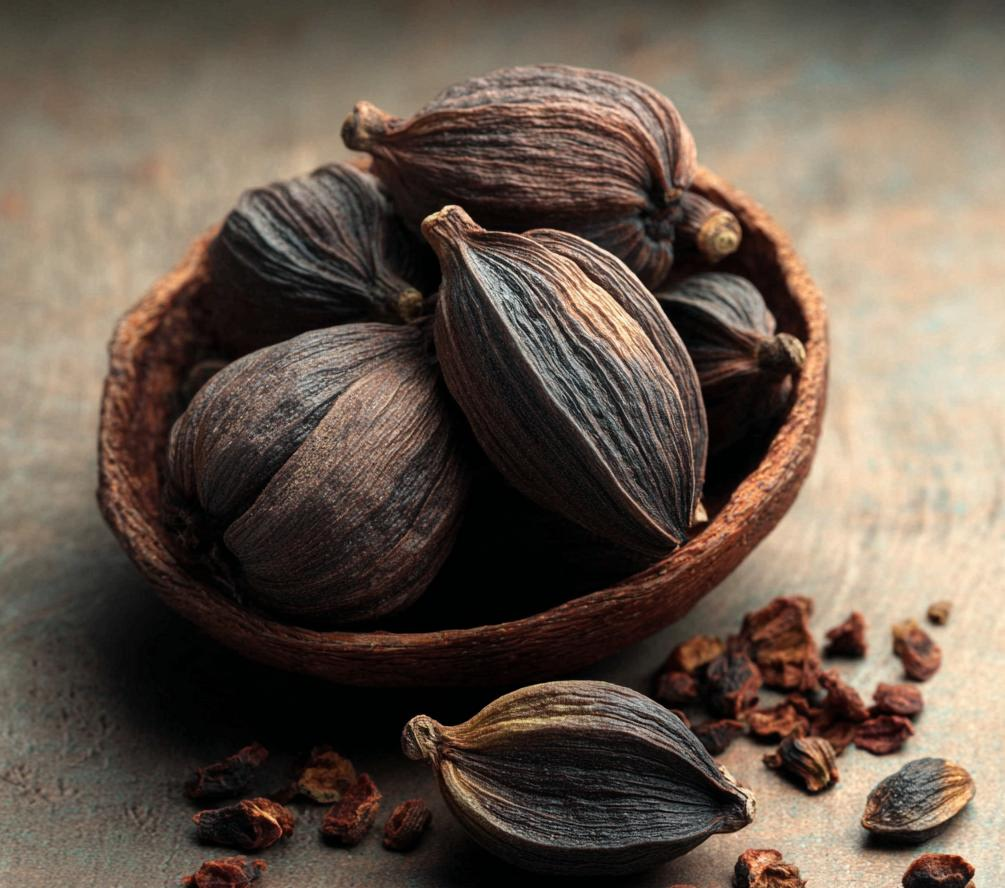
Vietnam Black Cardamom is a distinctive aromatic spice valued for its warm, smoky, earthy flavor and important role in traditional Asian cuisines. Known locally as Thảo Quả, this spice is associated with mountainous growing regions of northern Vietnam and is increasingly relevant to international buyers looking for specialty Vietnamese spices and natural food ingredients.
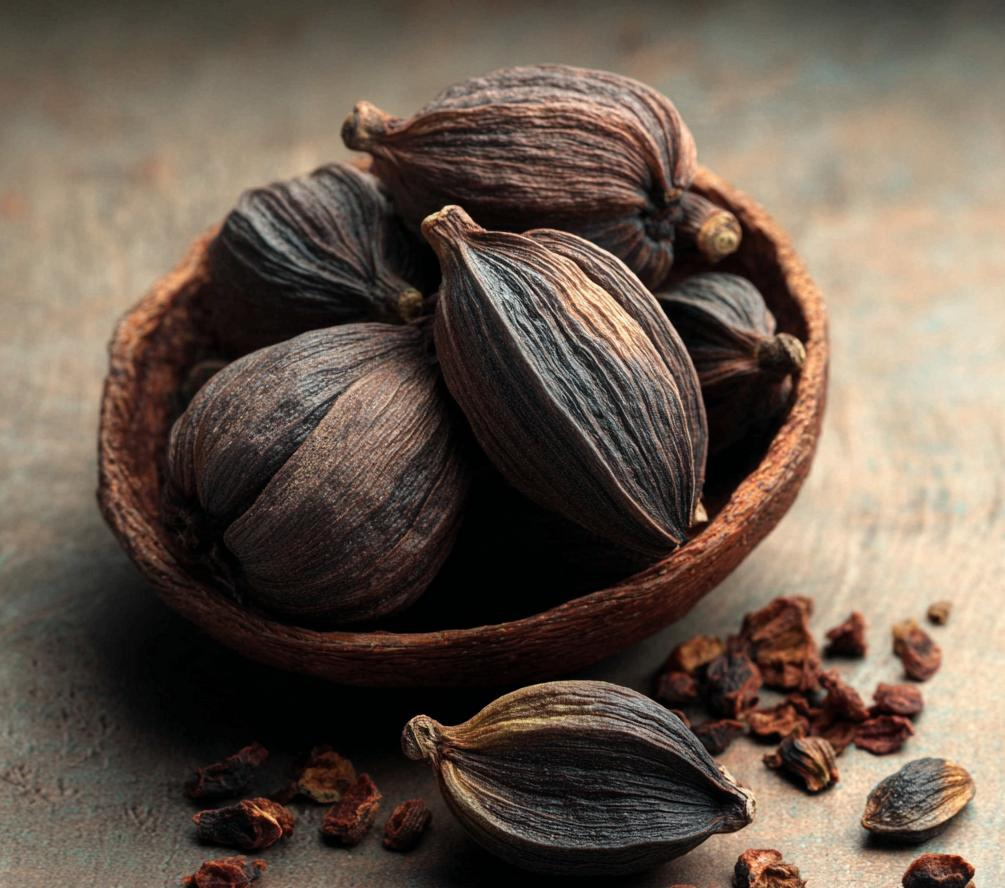
For global importers, spice wholesalers, seasoning manufacturers, and food processors, Vietnamese black cardamom offers sourcing opportunities for whole dried pods and selected processed forms.
However, purchasing black cardamom in bulk requires careful attention to botanical identity, pod size, moisture content, drying methods, aroma, cleanliness, packaging, and food safety requirements.
This guide explains what international B2B buyers should know before sourcing black cardamom from Vietnam.
1. What Is Vietnam Black Cardamom?
Black cardamom is a common commercial name used for several aromatic spices in the ginger family, Zingiberaceae.
In Vietnam, Thảo Quả is commonly associated with Amomum tsao-ko, also classified in some botanical references as Lanxangia tsaoko.
It is important to distinguish Vietnamese thảo quả from other products sold internationally as black cardamom, including Amomum subulatum, which is associated with Himalayan growing regions.
Although these spices share some culinary characteristics, their botanical identities, pod appearance, aroma profiles, and commercial specifications may differ.
Vietnamese black cardamom is generally valued for its robust, warm, and earthy aroma, which may include smoky notes depending on the drying process.
Common Applications
- Meat and poultry seasoning
- Soup and broth preparation
- Pho and traditional Asian spice blends
- Curry and savory seasoning mixes
- Foodservice spice products
- Specialty ethnic food manufacturing
- Wholesale spice distribution
For industrial buyers, botanical identity and the intended application should always be confirmed before purchasing.
2. Where Is Black Cardamom Grown in Vietnam?
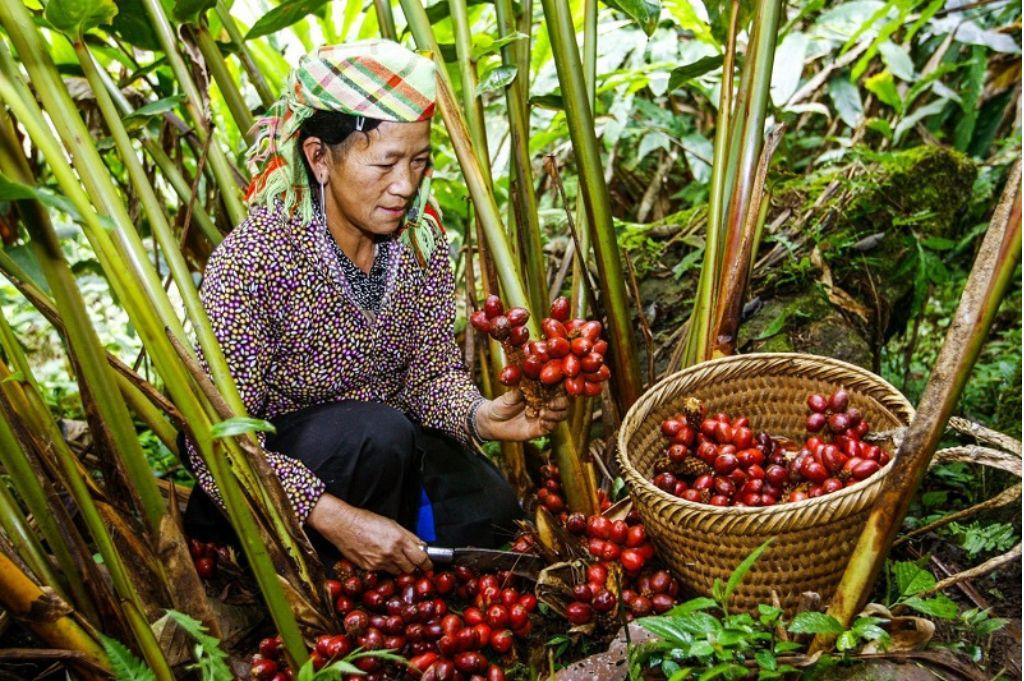
Vietnamese thảo quả is associated with cool, humid mountainous environments in northern Vietnam.
Growing and collection activities have historically been linked to highland areas such as Lao Cai, Lai Chau, and other suitable northern mountain regions.
The characteristics of black cardamom can be influenced by:
- Growing altitude and local climate
- Botanical variety
- Fruit maturity
- Harvesting practices
- Drying temperature and duration
- Storage conditions
- Post-harvest handling
These factors may affect pod size, color, moisture content, and aroma intensity.
For international buyers, origin information can be valuable, but purchasing decisions should be based on representative samples, verified specifications, and supplier traceability.
Sourcing consideration: Buyers should also verify lawful cultivation or collection practices and any applicable environmental or forest-management requirements.
3. Why Is Vietnamese Black Cardamom Popular in Specialty Spice Markets?
Distinctive Smoky and Earthy Aroma
Vietnamese black cardamom is valued for its strong and complex aroma.
Depending on processing, it may provide smoky, resinous, earthy, and warm spicy notes that are suitable for savory applications.
The final aroma profile depends partly on drying and storage conditions.
Important Role in Asian Cuisine
Thảo quả is used in traditional Vietnamese and regional Asian cooking, especially in aromatic broths and meat dishes.
It is particularly relevant to spice blends designed for pho, soups, stews, and savory food products.
Commercial Versatility
Whole pods can be supplied for culinary use or processed further by manufacturers.
Depending on supplier capabilities, buyers may also inquire about seeds, broken pods, or ground forms.
Specialty Ingredient Opportunities
Black cardamom is a specialty ingredient rather than a direct substitute for every other type of cardamom.
For food manufacturers, it can contribute a distinctive flavor profile that differs from green cardamom.
4. Main Grades and Types of Vietnam Black Cardamom
Commercial grading systems may vary among suppliers.
Rather than relying only on general labels such as Grade A or Grade B, international buyers should define measurable quality requirements.
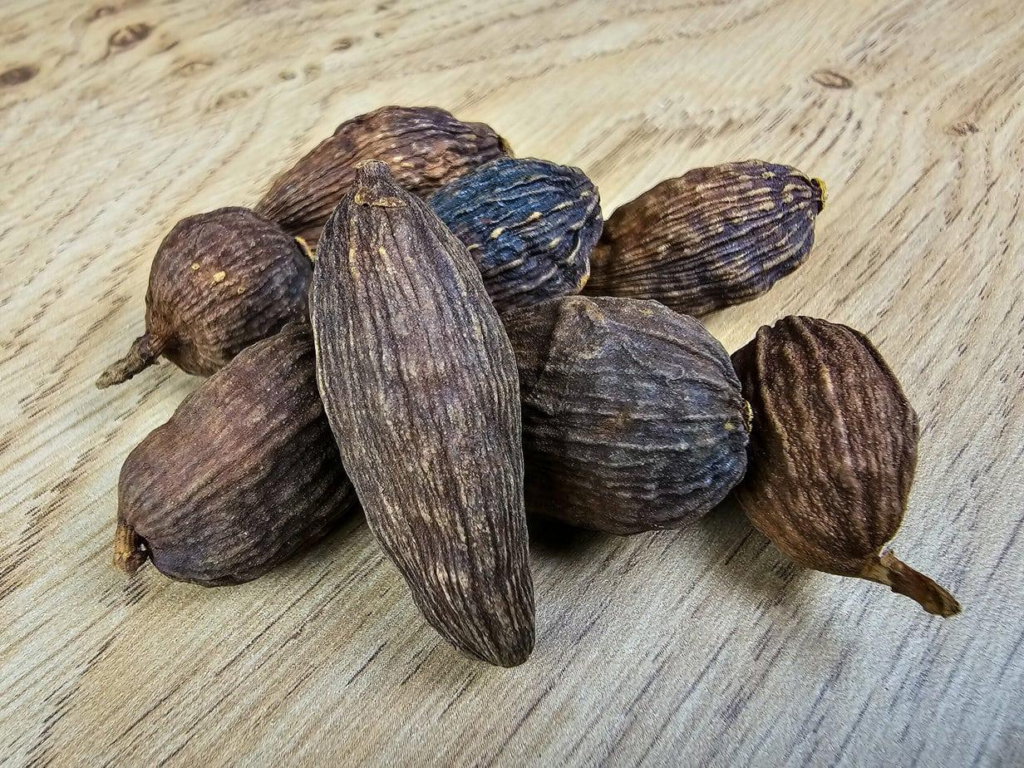
4.1. Whole Black Cardamom Pods
Whole dried pods are a common commercial form.
They are generally selected for buyers who require recognizable pod appearance, characteristic aroma, and convenient storage or further processing.
Common applications:
- Wholesale spice distribution
- Foodservice supply
- Soup and broth seasoning
- Whole-spice retail packaging
- Traditional spice blends
Important purchasing criteria include:
- Pod size and size distribution
- Percentage of intact pods
- Moisture content
- Natural color and appearance
- Aroma characteristics
- Foreign matter limits
- Pest and mold inspection
Whole pods should be reasonably consistent with the agreed grade and sample.
4.2. Selected Large-Pod Black Cardamom
Some buyers prefer larger, visually uniform pods for particular wholesale or retail applications.
However, larger pod size does not automatically guarantee higher essential oil content or better flavor.
Buyers should specify the desired size range and any additional quality parameters.
4.3. Mixed-Size Black Cardamom
Mixed-size grades may be suitable for industrial buyers where uniform appearance is less important.
The commercial specification should still establish acceptable limits for damaged pods, foreign matter, moisture, and other relevant characteristics.
4.4. Broken Black Cardamom
Broken pods may be considered for selected industrial applications where the product will undergo further processing.
However, broken material requires careful inspection because its composition, cleanliness, and aroma retention may differ from whole pods.
4.5. Black Cardamom Seeds and Powder
Depending on processing arrangements, buyers may inquire about separated seeds or ground black cardamom.
For ground products, important requirements include particle size, botanical authenticity, microbiological quality, moisture, and contaminant controls.
Availability of processed forms should be confirmed with the supplier before placing an order.
5. Vietnam Black Cardamom Specifications for Importers
A detailed specification sheet helps buyers compare offers and establish consistent purchasing requirements.
The following table outlines important quality parameters.
Note: These are recommended purchasing criteria, not guaranteed VinaSpices product specifications. Actual values must be confirmed for each quotation and shipment.
| Specification | What Buyers Should Confirm |
|---|---|
| Product name | Vietnamese Black Cardamom / Thảo Quả |
| Botanical identity | Amomum tsao-ko / Lanxangia tsaoko, as agreed |
| Country of origin | Vietnam |
| Product form | Whole pods, broken pods, seeds, or powder |
| Pod size | Agreed size range |
| Whole-pod percentage | According to purchased grade |
| Moisture content | Agreed maximum percentage |
| Color | Natural appearance appropriate to processing |
| Aroma | Characteristic black cardamom aroma |
| Foreign matter | Agreed maximum percentage |
| Damaged pods | Agreed maximum percentage |
| Essential oil content | Minimum value, if required |
| Microbiological criteria | Buyer and destination-market requirements |
| Chemical contaminants | Applicable legal and contractual limits |
| Packaging | Food-grade bags, cartons, or agreed packaging |
| Traceability | Batch and origin information as agreed |
Buyers should confirm the sampling method, testing procedures, and acceptance criteria before finalizing a purchase order.
6. Aroma, Essential Oil, and Drying Methods
The aroma of black cardamom is one of its most important commercial characteristics.
Its volatile oil contains a mixture of aromatic compounds that contribute to its distinctive flavor.
The composition varies depending on botanical identity, growing conditions, maturity, drying methods, and storage.
Traditional Drying
Some black cardamom products are dried using heat or smoke-based methods.
These methods can influence color, moisture reduction, and smoky aroma.
However, uncontrolled smoke exposure may introduce undesirable contaminants.
For food-grade exports, drying practices should be assessed for product safety and compliance with applicable market requirements.
Controlled Drying
Controlled drying methods may help improve process consistency and moisture management.
However, the final product should still be evaluated through agreed quality criteria.
What Buyers Should Request
When sourcing black cardamom, buyers may ask suppliers about:
- Drying method
- Aroma profile
- Moisture content
- Essential oil requirements
- Smoke-related contaminant testing where relevant
- Storage conditions
- Product traceability
For smoke-dried spices, polycyclic aromatic hydrocarbons (PAHs) may be a relevant food safety consideration depending on the destination market and product category.
Importers should confirm applicable limits and testing requirements.
7. Moisture Content and Quality Control
Proper moisture management is important for dried black cardamom intended for long-distance transportation.
Excessive moisture may contribute to product deterioration during storage and shipment.
The appropriate moisture limit should be defined according to the product form, intended use, and buyer requirements.
Recommended Quality Inspection Checklist
Before confirming a bulk order, buyers should consider:
- Botanical identity verification
- Pod size and appearance inspection
- Whole and broken percentage
- Moisture testing
- Aroma evaluation
- Foreign matter inspection
- Mold and pest inspection
- Microbiological testing where required
- Chemical contaminant testing where applicable
- Packaging integrity
- Batch traceability
For large commercial orders, independent pre-shipment inspection may provide additional assurance.
Avoiding Common Quality Problems
Buyers should be cautious about:
- Excessively damp pods
- Visible mold
- Unusual or undesirable odors
- High foreign matter content
- Excessively damaged material
- Inconsistent botanical identity
- Poor storage conditions
Product acceptance should be based on agreed specifications and inspection results rather than appearance alone.
8. Vietnamese Black Cardamom vs. Green Cardamom
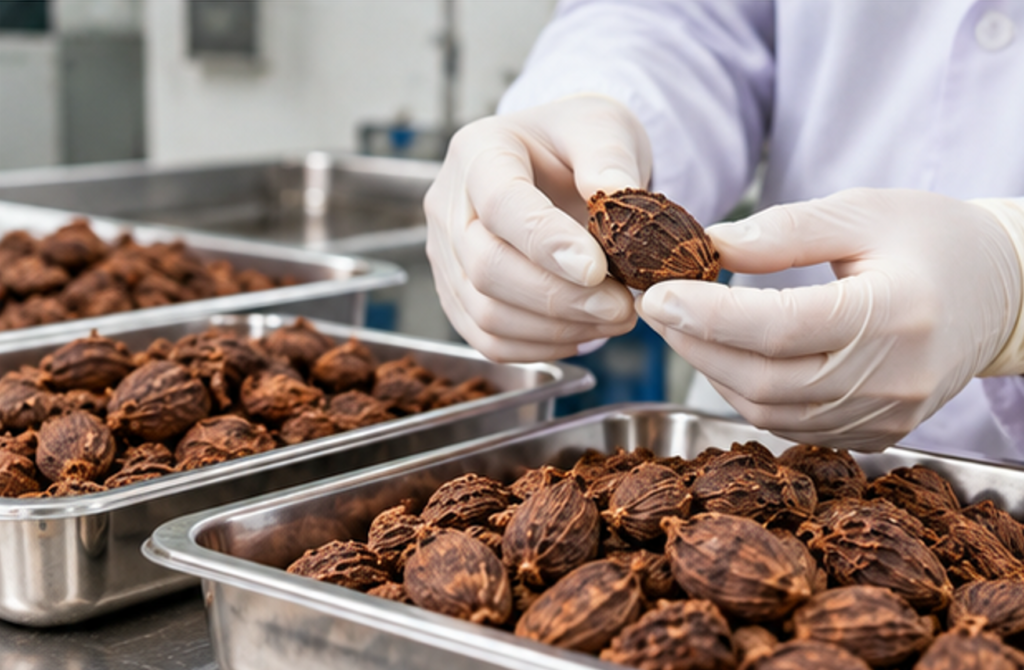
Black cardamom and green cardamom are different commercial spices.
Although both belong to the ginger family, their botanical sources, appearance, and flavor profiles differ.
| Feature | Vietnamese Black Cardamom | Green Cardamom |
|---|---|---|
| Common botanical association | Amomum tsao-ko / Lanxangia tsaoko | Elettaria cardamomum |
| Pod appearance | Generally larger, dark dried pods | Usually smaller, green or pale pods |
| Aroma profile | Earthy, warm, sometimes smoky | Sweet, floral, fresh, eucalyptus-like |
| Common applications | Savory dishes, broths, meat seasoning | Baking, beverages, desserts, spice blends |
| Commercial use | Specialty savory spice ingredient | Widely used aromatic spice |
| Interchangeability | Not a direct equivalent | Not a direct equivalent |
Buyers should not substitute one type for the other without evaluating the impact on the finished food product.
For spice manufacturers, accurate botanical labeling is essential.
9. Packaging Options for Vietnam Black Cardamom Export
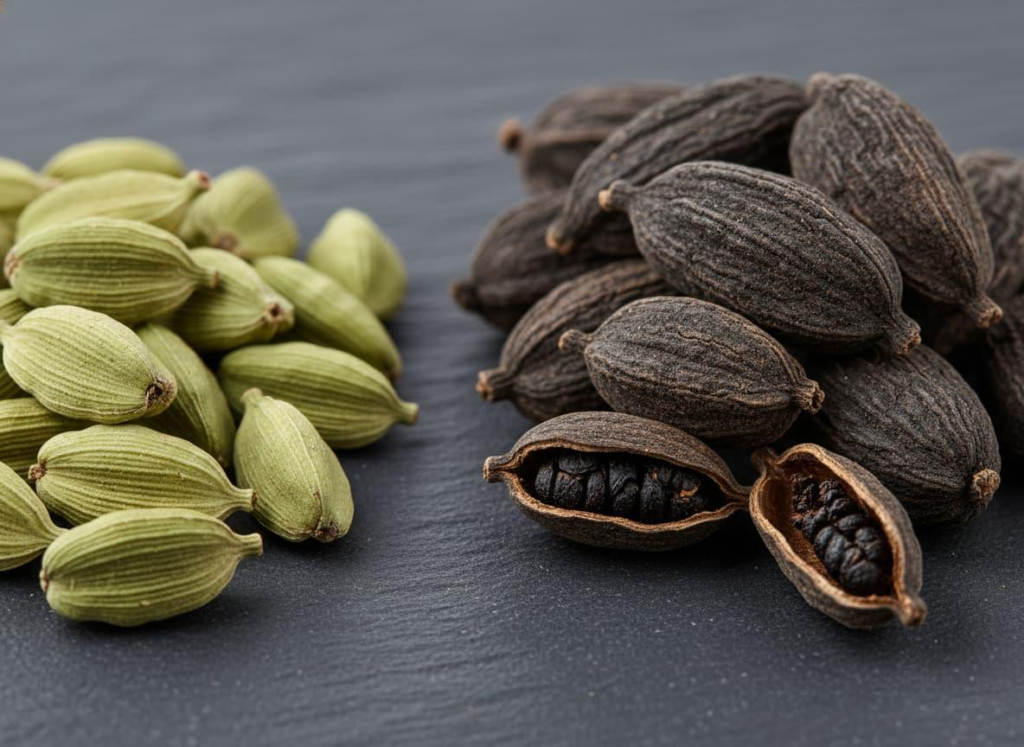
Proper packaging helps protect black cardamom from moisture, contamination, crushing, and aroma loss during storage and transportation.
Carton Packaging
Cartons may be suitable for selected whole-pod grades or buyers requiring additional protection during shipping.
Food-Grade Bulk Bags
Suitable lined bags may be considered for bulk shipments, depending on product requirements and commercial arrangements.
Customized Packaging
Buyers may request specific net weights, labeling, or retail packaging where available.
Important Packaging Considerations
- Moisture protection
- Food-contact material suitability
- Aroma retention
- Product identification
- Batch traceability
- Accurate net weight
- Carton and pallet strength
- Destination-market labeling requirements
Packaging specifications and minimum order quantities should be agreed upon before production or shipment.
10. How to Import Black Cardamom from Vietnam
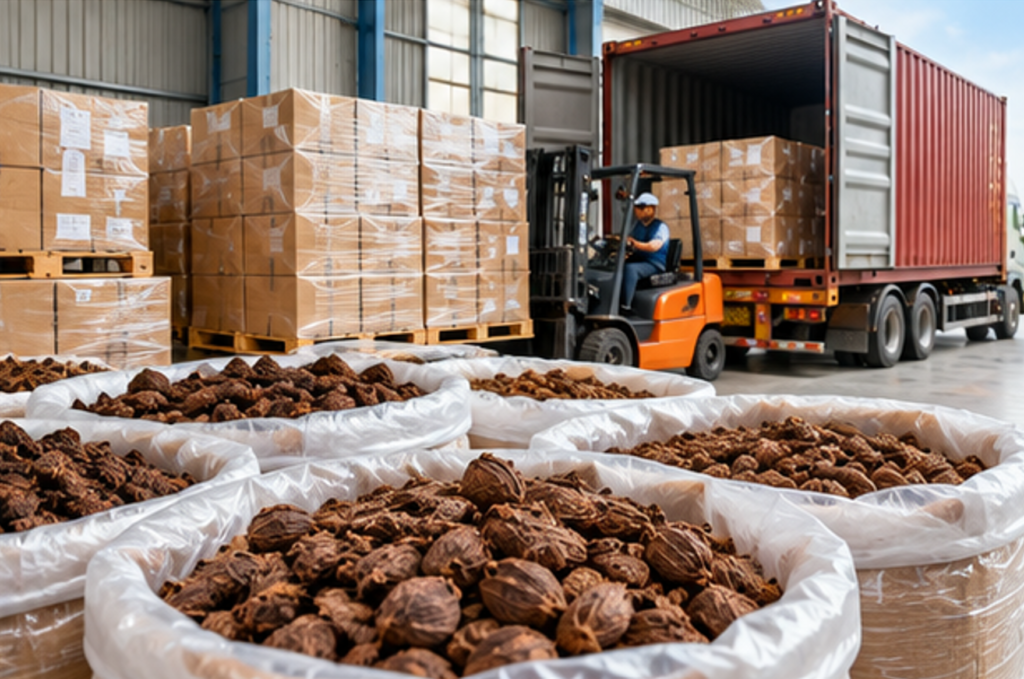
A structured sourcing process helps international buyers reduce quality and commercial risks.
Step 1: Identify the Correct Product
Confirm whether you require Vietnamese thảo quả or another black cardamom species.
Step 2: Define Your Specifications
Specify pod size, product form, moisture limits, aroma profile, packaging, and any relevant laboratory requirements.
Step 3: Contact a Vietnam Black Cardamom Supplier
Submit a Request for Quotation with your order quantity, destination port, and preferred trade terms.
Step 4: Request Representative Samples
Evaluate appearance, aroma, cleanliness, and suitability for your intended application.
Step 5: Confirm Commercial Terms
Discuss pricing, payment conditions, Incoterms, lead time, and inspection arrangements.
Step 6: Review Import Regulations
Confirm applicable customs, food safety, phytosanitary, labeling, and documentation requirements.
Step 7: Approve Shipment
Verify that the final shipment meets the agreed specifications and supporting documentation requirements.
11. What Affects Vietnam Black Cardamom Prices?
The price of Vietnam black cardamom wholesale may vary according to several factors.
Pod Size and Grade
Larger or more uniform pods may be priced differently from mixed-size or broken material.
Aroma and Drying Method
Drying practices and aromatic characteristics can influence buyer preferences and processing costs.
Moisture and Cleanliness
Additional drying, sorting, and cleaning may affect the final quotation.
Seasonal Availability
Harvest timing, weather conditions, production volume, and inventory levels can influence supply.
Order Quantity
Bulk purchasing volumes may affect unit pricing, depending on availability and commercial terms.
Packaging Requirements
Specialized packaging, labeling, and inspection requirements can affect total costs.
Logistics and Shipping
Freight costs, destination port, and agreed Incoterms influence the final landed cost.
For accurate pricing, buyers should submit detailed product specifications and delivery requirements.
12. Why Source Vietnamese Black Cardamom with VinaSpices?
VinaSpices JSC works with international buyers interested in Vietnamese spices and agricultural products.
Black cardamom is one of our key product interests, alongside cassia cinnamon, star anise, ginger, and other agricultural ingredients.
We welcome inquiries from:
- Spice importers and wholesalers
- Food manufacturers
- Seasoning and spice-blend producers
- Foodservice distributors
- Specialty Asian food suppliers
- International agricultural commodity traders
Our approach is to understand each buyer’s requirements and discuss suitable sourcing arrangements.
Product availability, grades, packaging options, testing requirements, and export documentation are confirmed during the quotation process.
13. Frequently Asked Questions About Vietnam Black Cardamom
What is Vietnamese black cardamom called locally?
It is commonly known as Thảo Quả in Vietnam.
Is Vietnamese black cardamom the same as Indian black cardamom?
Not necessarily. Vietnamese thảo quả is commonly associated with Amomum tsao-ko or Lanxangia tsaoko, while Himalayan black cardamom is commonly associated with Amomum subulatum. Buyers should confirm botanical identity.
Why does black cardamom have a smoky aroma?
Smoky notes can result from certain traditional drying methods. Aroma intensity depends on processing conditions and other factors.
Can black cardamom be used in pho seasoning?
Yes. Thảo quả is used in traditional Vietnamese pho and other savory spice preparations.
What is the essential oil content of Vietnamese black cardamom?
Essential oil content varies according to botanical identity, origin, maturity, processing, storage, and testing methods. Buyers should request laboratory results if a minimum level is required.
Can I buy Vietnamese black cardamom in bulk?
Bulk purchasing arrangements may be available through qualified suppliers, depending on product grade, quantity, packaging, and supply conditions.
What is the minimum order quantity?
Minimum order quantities vary by supplier, product grade, packaging, and availability. Buyers should confirm the MOQ when requesting a quotation.
Can I request samples before placing an order?
Buyers may request sample availability and sampling terms during the quotation process.
What documents are required for black cardamom export?
Documentation depends on the destination market and shipment. Commercial invoices, packing lists, certificates of origin, phytosanitary certificates, and analytical reports may be applicable.
Request a Vietnam Black Cardamom Quotation
Are you looking for a Vietnam Black Cardamom Supplier for wholesale distribution, food manufacturing, or spice blending?
Contact VinaSpices JSC to discuss your requirements for Vietnamese black cardamom (Thảo Quả), including whole dried pods and other available forms.
For a faster quotation, please provide:
- Required product form and grade
- Botanical species, if specified
- Pod size requirements
- Order quantity
- Moisture and aroma specifications
- Packaging preferences
- Destination port
- Preferred Incoterms (FOB, CIF, or other agreed terms)
- Required laboratory testing and export documentation
VinaSpices JSC – Vietnam Spices & Agricultural Products
Email: spicesvina@gmail.com
WhatsApp: +84 904 384 051
Website: https://vietnam-spices.com/
Contact: https://vietnam-spices.com/contact/
Send us your RFQ and explore sourcing opportunities for Vietnamese black cardamom and other agricultural ingredients.