Vietnam Agricultural Products play an important role in international food, beverage, spice, and agricultural ingredient supply chains.
With diverse growing conditions, established farming communities, and extensive agricultural processing activities, Vietnam offers international buyers opportunities to source a wide range of agricultural commodities.
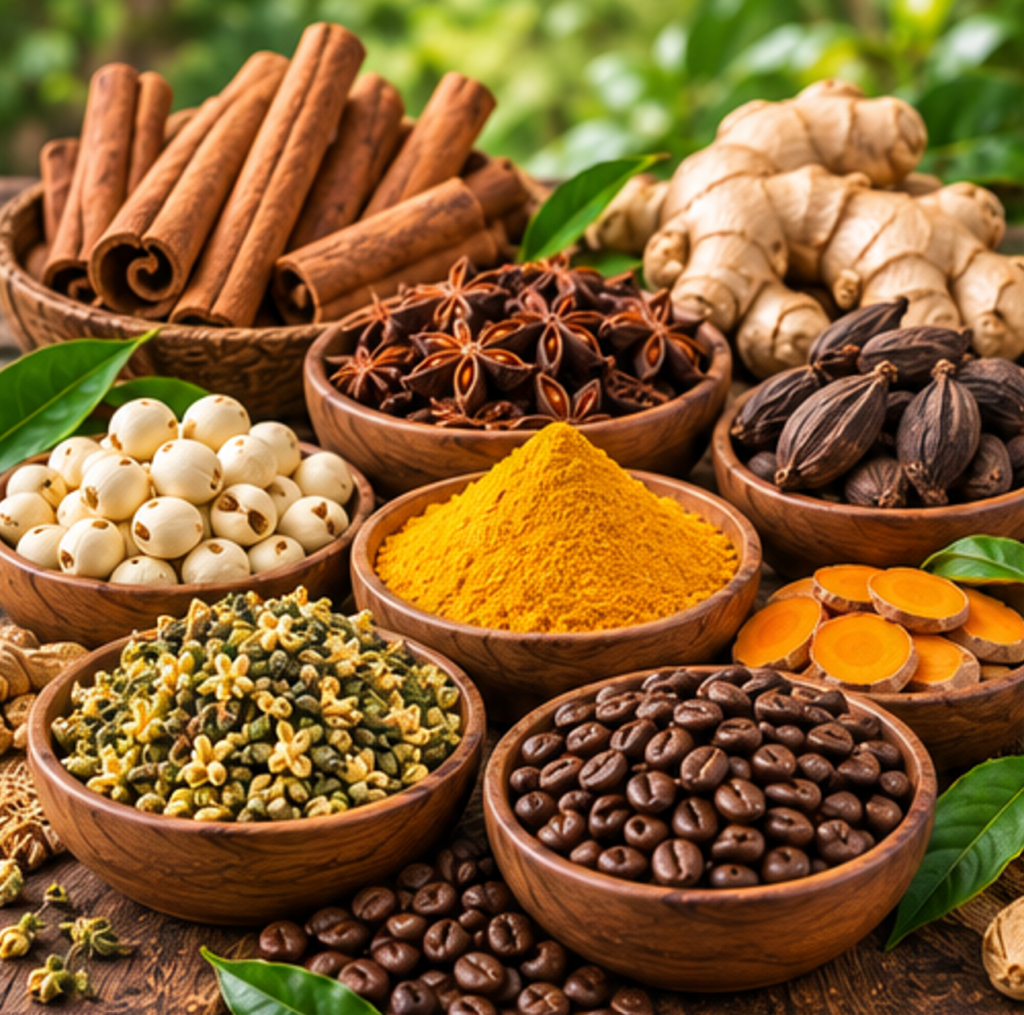
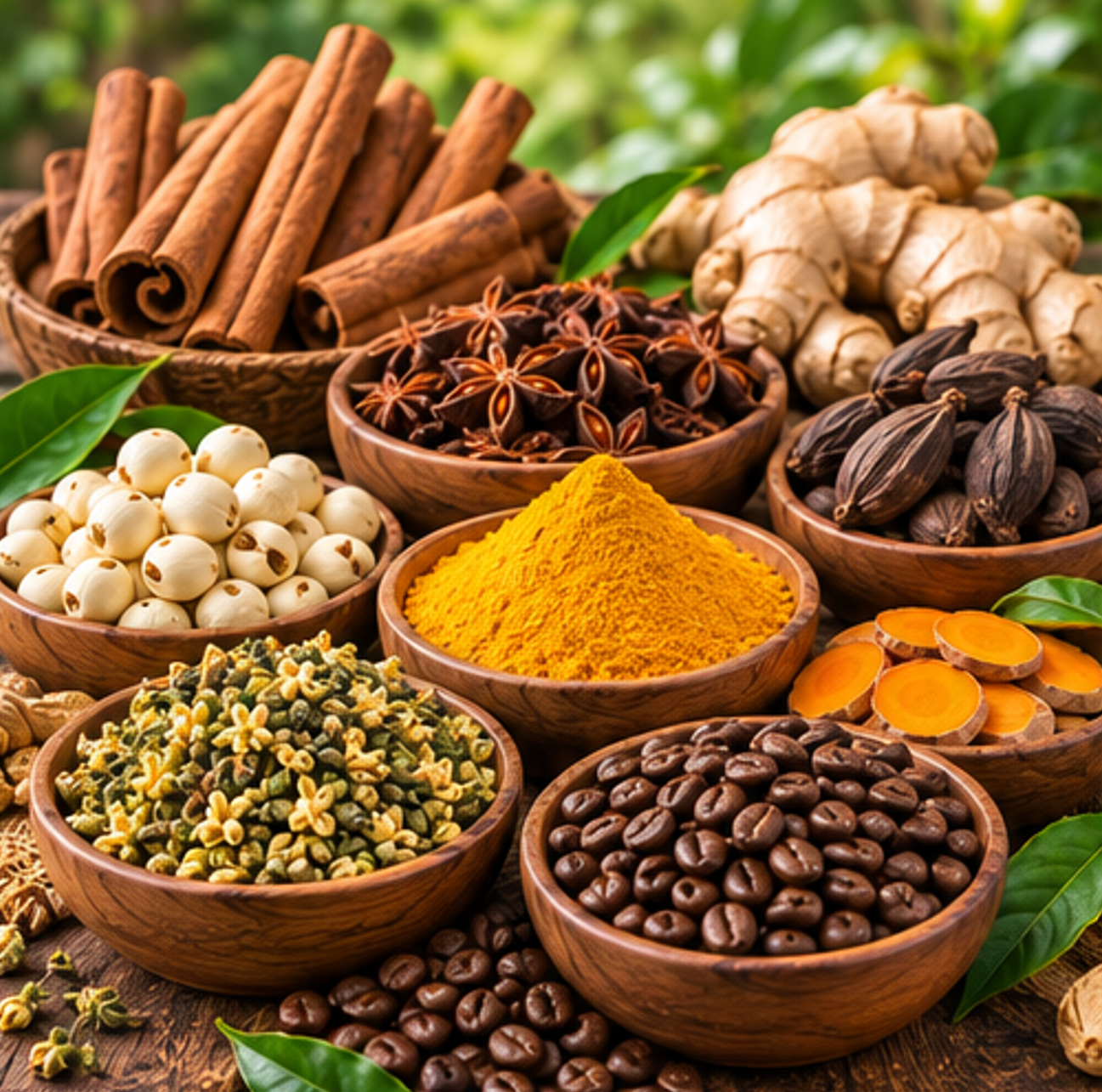
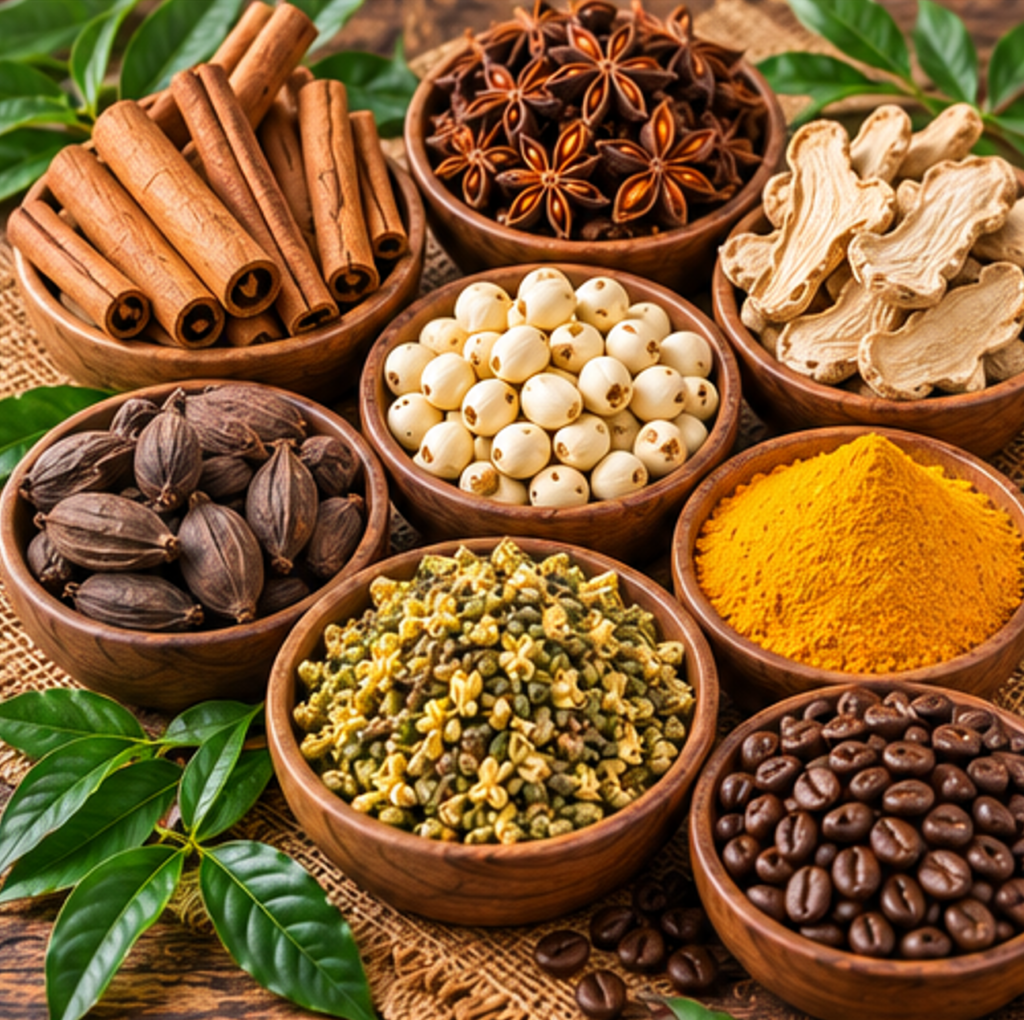
From Vietnam Spices from cassia cinnamon and star anise to black cardamom, dried ginger, turmeric, lotus seeds, coffee beans, and botanical ingredients, the country supplies products relevant to manufacturers, importers, wholesalers, and distributors.
However, successful international sourcing requires more than identifying a competitive supplier.
Buyers must evaluate product specifications, origin, quality control, food safety, packaging, export documentation, logistics, and commercial terms.
This comprehensive guide introduces major Vietnamese agricultural products, explains key B2B sourcing considerations, and provides practical guidance for companies planning to import agricultural ingredients from Vietnam.
1. Why Source Agricultural Products from Vietnam?
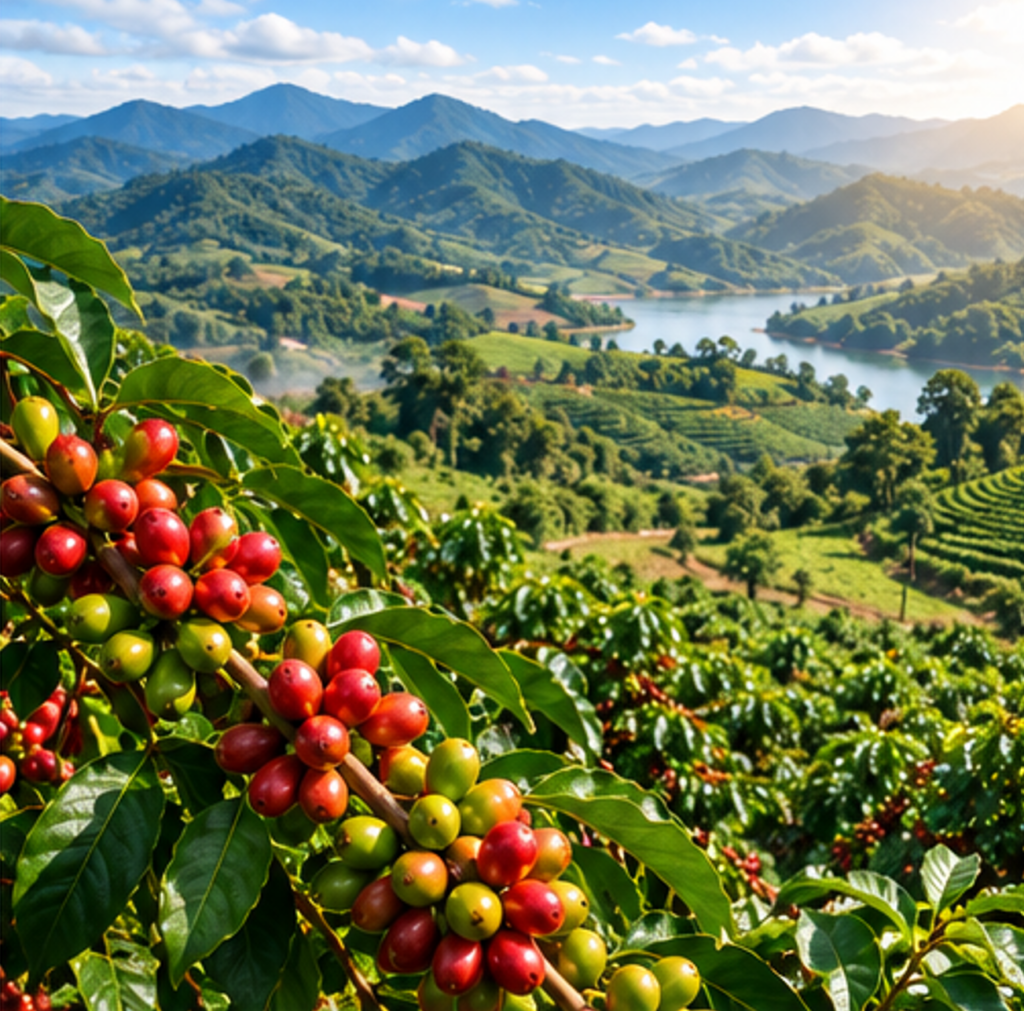
Vietnam has a diverse agricultural sector supported by different climatic zones and growing environments.
The country’s northern mountainous regions, central agricultural areas, Central Highlands, and Mekong Delta support a variety of crops.
These growing conditions contribute to the availability of spices, coffee, seeds, fruits, and other agricultural products.
Diverse Agricultural Production
International buyers may explore sourcing opportunities across several categories:
- Spices and aromatic ingredients
- Coffee beans
- Seeds and specialty food ingredients
- Botanical raw materials
- Dried agricultural products
- Other food and agricultural commodities
Established International Trade
Vietnam participates in global agricultural trade, with export-oriented supply chains serving numerous international markets.
The specific export requirements depend on the product, destination country, and applicable trade regulations.
Different Processing Options
Depending on supplier capabilities, agricultural products may be available in multiple forms:
- Whole
- Dried
- Sliced
- Cut
- Broken
- Ground or powdered
- Cleaned and graded
- Bulk packaged
This flexibility can help buyers select ingredients that match their production processes.
Opportunities for B2B Buyers
Vietnamese agricultural products may be relevant to:
- Food manufacturers
- Spice importers
- Coffee roasters
- Beverage manufacturers
- Ingredient distributors
- Foodservice suppliers
- Private-label brands
- Agricultural commodity traders
The appropriate sourcing strategy depends on the product category and buyer requirements.
2. Main Types of Vietnam Agricultural Products
Vietnam supplies a broad range of agricultural ingredients.
The following product categories are particularly relevant to international buyers exploring sourcing opportunities with VinaSpices.
2.1. Vietnam Cassia Cinnamon
Vietnam Cassia Cinnamon is one of the country’s recognized spice products.
Vietnamese cassia is commonly associated with Cinnamomum loureiroi and is valued for its warm, sweet-spicy aroma.
Commercial forms may include:
- Cassia cinnamon sticks
- Split cinnamon
- Broken cinnamon
- Cinnamon chips
- Cinnamon powder
Cassia cinnamon is used in spice blends, bakery products, beverages, confectionery, and food manufacturing.
Important purchasing criteria include moisture content, bark appearance, foreign matter, volatile oil requirements, and packaging.
Buyers should also consider relevant coumarin regulations and destination-market requirements.
Explore our detailed guide: Vietnam Cassia Cinnamon – Grades, Specifications & Bulk Buying Guide.
2.2. Vietnam Star Anise
Vietnam Star Anise is a distinctive aromatic spice obtained from Illicium verum.
It is widely recognized for its star-shaped fruits and characteristic licorice-like aroma.
Commercial products may include:
- Whole star anise
- Broken star anise
- Star anise pieces
- Star anise powder
Star anise is used in spice blends, savory food products, beverages, and selected industrial applications.
Buyers should verify botanical identity, physical quality, moisture content, foreign matter, and applicable food safety requirements.
Correct identification is particularly important because other Illicium species are not suitable substitutes for edible star anise.
Explore our detailed guide: Vietnam Star Anise – Quality Standards and Importer Sourcing Guide.
2.3. Vietnamese Black Cardamom
Vietnamese Black Cardamom is an aromatic spice ingredient used in savory seasoning blends and specialty food applications.
The commercial name may refer to different related botanical species depending on the sourcing region.
Therefore, buyers should confirm the exact botanical identity before ordering.
Commercial forms may include:
- Whole dried black cardamom pods
- Selected or graded pods
- Broken pods
- Other processed forms, where available
Important purchasing criteria include pod appearance, aroma, moisture content, cleanliness, foreign matter, and botanical identity.
Explore our detailed guide: Vietnamese Black Cardamom – A Guide for Spice Blenders.
2.4. Vietnam Dried Ginger
Vietnam Dried Ginger is produced from the rhizomes of Zingiber officinale.
It is used in seasoning blends, tea products, beverages, bakery applications, and food manufacturing.
Commercial forms may include:
- Whole dried ginger
- Dried ginger slices
- Dried ginger pieces
- Ginger powder
Buyers should consider moisture content, aroma, pungency, peeling requirements, particle size, and relevant food safety testing.
Explore our detailed guide: Vietnam Dried Ginger – Grades, Specifications & Bulk Buying Guide.
2.5. Vietnamese Lotus Seeds
Vietnamese Lotus Seeds are obtained from the lotus plant, Nelumbo nucifera.
They are used in traditional Asian desserts, bakery fillings, confectionery, and other food applications.
Commercial forms may include:
- Whole dried lotus seeds
- Peeled lotus seeds
- Core-removed lotus seeds
- Split lotus seeds
- Other processed forms, where available
Important purchasing criteria include seed size, moisture content, color, broken percentage, core removal, and cleanliness.
Explore our detailed guide: Vietnamese Lotus Seeds – Grades, Specifications & Bulk Buying Guide.
2.6. Vietnam Turmeric
Vietnam Turmeric is commonly associated with Curcuma longa.
Turmeric is valued for its characteristic yellow-orange color and earthy flavor.
Commercial forms may include:
- Whole dried turmeric
- Dried turmeric fingers
- Turmeric slices
- Turmeric pieces
- Turmeric powder
Important purchasing criteria include moisture content, botanical authenticity, particle size, color, curcumin or total curcuminoid requirements, and chemical contaminant testing.
Buyers should pay particular attention to authenticity and heavy metal controls for powdered turmeric.
Explore our detailed guide: Vietnam Turmeric – Grades, Specifications & Bulk Buying Guide.
2.7. Vietnamese Coffee Beans
Vietnamese Coffee Beans are an important agricultural export category.
Vietnam is particularly associated with Robusta coffee production, while Arabica is also cultivated in suitable growing regions.
Commercial products may include:
- Green Robusta coffee beans
- Green Arabica coffee beans
- Different screen-size grades
- Natural or washed processed coffee
- Other processed forms, where available
Important purchasing criteria include screen size, moisture content, defect count, crop year, processing method, sensory profile, and packaging.
Explore our detailed guide: Vietnamese Coffee Beans – Robusta, Arabica, Grades & Bulk Buying Guide.
2.8. Vietnam Hoa Hoe Flower Buds
Vietnam Hoa Hoe Flower Buds are botanical ingredients traditionally associated with the Japanese pagoda tree.
The accepted botanical name is Styphnolobium japonicum, while Sophora japonica remains a commonly used trade synonym.
Commercial forms may include:
- Whole dried flower buds
- Dried flowers
- Sorted botanical material
- Cut or powdered material, where available
Important purchasing criteria include botanical identity, plant-part maturity, moisture content, foreign matter, and rutin content where required.
The permitted use of Hoa Hoe varies by destination market. Buyers should verify regulatory eligibility before using it in foods, beverages, supplements, or other products.
Explore our detailed guide: Vietnam Hoa Hoe Flower Buds – Specifications & Bulk Buying Guide.
3. Vietnam Agricultural Products at a Glance
The following table summarizes major agricultural ingredient categories relevant to international B2B sourcing.
| Product | Common Commercial Forms | Typical Buyer Categories |
|---|---|---|
| Cassia Cinnamon | Sticks, split, broken, chips, powder | Spice importers, food manufacturers |
| Star Anise | Whole, broken, pieces, powder | Spice blenders, food processors |
| Black Cardamom | Whole pods, graded pods, broken pods | Seasoning manufacturers, wholesalers |
| Dried Ginger | Whole, slices, pieces, powder | Food manufacturers, tea blenders |
| Lotus Seeds | Whole, peeled, core-removed, split | Bakery, confectionery, ingredient distributors |
| Turmeric | Whole dried, fingers, slices, powder | Spice manufacturers, food processors |
| Coffee Beans | Green Robusta, green Arabica | Roasters, coffee importers |
| Hoa Hoe Flower Buds | Whole buds, flowers, cut material | Botanical ingredient buyers |
Actual availability, grades, specifications, and packaging options must be confirmed with the supplier.
4. Understanding Agricultural Product Grades and Specifications
One of the most important steps in international sourcing is defining the required product specifications.
Commercial terms such as Premium Grade, Grade A, and Export Quality may be interpreted differently by suppliers.
Therefore, buyers should establish measurable technical requirements.
Key Specification Categories
Depending on the product, important criteria may include:
- Botanical identity
- Country and region of origin
- Product form
- Moisture content
- Physical size
- Color and appearance
- Foreign matter
- Broken or damaged percentage
- Aroma and flavor
- Active or characteristic compounds
- Microbiological quality
- Pesticide residues
- Heavy metals
- Mycotoxins
- Packaging
- Traceability
Example Agricultural Product Specification Table
| Specification | Buyer Requirement |
|---|---|
| Product name | Clearly identified agricultural ingredient |
| Botanical name | Verified where relevant |
| Origin | Vietnam |
| Product form | Whole, sliced, dried, or powder |
| Moisture content | Agreed maximum percentage |
| Foreign matter | Agreed maximum percentage |
| Size or grade | Buyer-defined specification |
| Appearance | Agreed visual quality criteria |
| Microbiological limits | Applicable legal and contractual requirements |
| Chemical contaminants | Applicable destination-market limits |
| Packaging | Agreed materials and net weight |
| Documentation | As required by the buyer and destination market |
A detailed specification sheet helps buyers compare quotations more accurately and reduces the risk of disputes.
5. Quality Control for Vietnam Agricultural Products
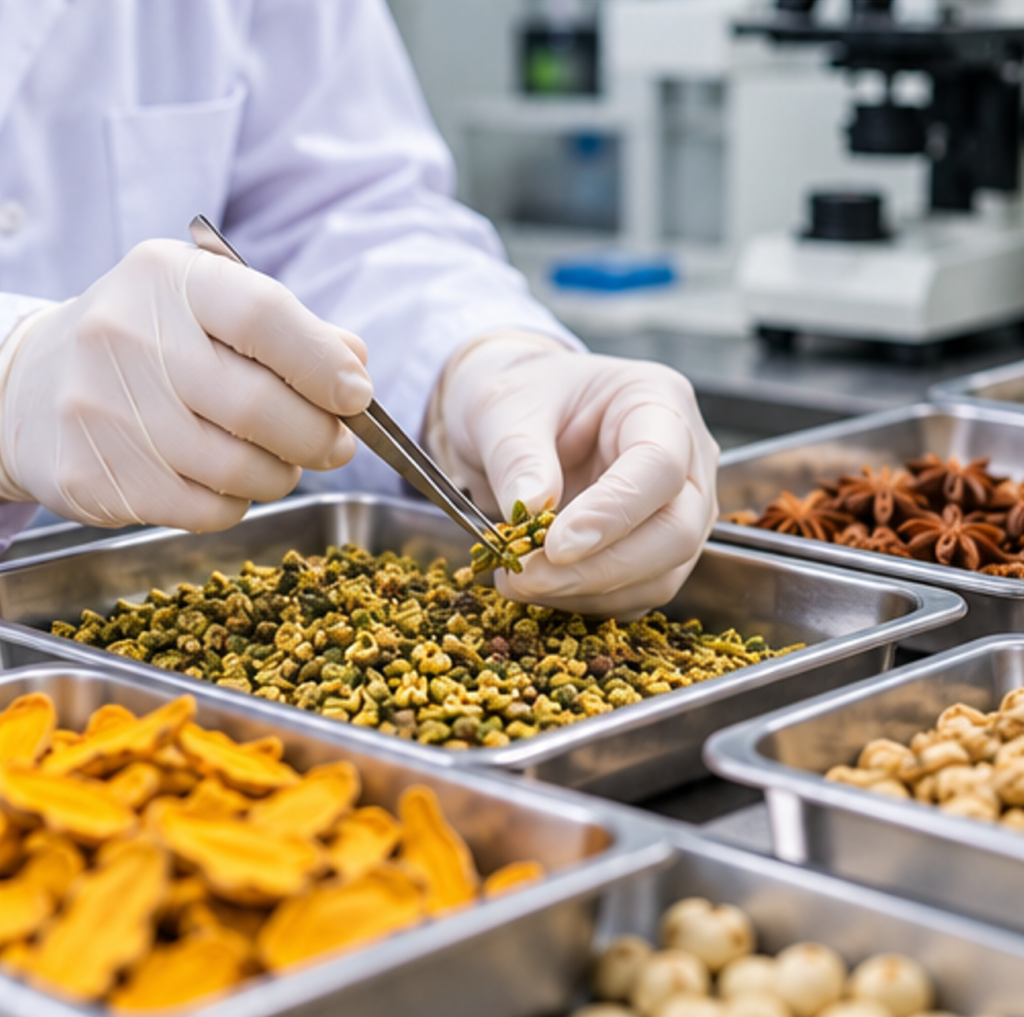
Quality control is essential when sourcing agricultural ingredients for international markets.
Different products require different inspection and testing procedures.
Raw Material Inspection
Buyers should evaluate the condition of the raw material and confirm that it matches the agreed product description.
Physical Quality Assessment
Physical inspection may include:
- Appearance
- Size
- Color
- Moisture
- Foreign matter
- Broken or damaged material
- Pest activity
- Mold or other visible defects
Botanical Authentication
For spices and botanical products, verifying the correct species is particularly important.
This is relevant to products such as star anise, black cardamom, turmeric, and Hoa Hoe.
Laboratory Testing
Depending on the product and intended market, buyers may require testing for:
- Moisture content
- Microbiological contaminants
- Pesticide residues
- Heavy metals
- Mycotoxins
- Volatile oil content
- Curcuminoid content
- Rutin content
- Other product-specific parameters
Certificate of Analysis
A Certificate of Analysis may be requested when analytical verification is required.
Buyers should confirm that the report identifies the correct product, batch, test method, and results.
A Certificate of Analysis should not be assumed to cover every possible food safety requirement.
6. Food Safety and International Import Requirements
Food safety requirements vary according to the product, intended application, and destination market.
International buyers should verify applicable regulations before confirming an order.
United States
Buyers importing food ingredients into the United States should consider relevant FDA requirements, including applicable food safety, facility registration, prior notice, and importer obligations.
European Union
Buyers importing agricultural ingredients into the European Union should consider applicable food safety requirements, pesticide maximum residue limits, contaminant limits, and traceability obligations.
Other International Markets
Requirements may differ across the United Kingdom, Japan, South Korea, the Middle East, and other destinations.
Important Regulatory Considerations
- Product eligibility for import
- Customs classification
- Food safety standards
- Pesticide residue limits
- Heavy metal limits
- Microbiological criteria
- Phytosanitary requirements
- Labeling requirements
- Traceability
- Import permits, where applicable
Not every agricultural ingredient is permitted for every application or market.
For botanical materials, buyers should verify whether the product is legally acceptable for the intended use.
7. Packaging Options for Bulk Agricultural Products
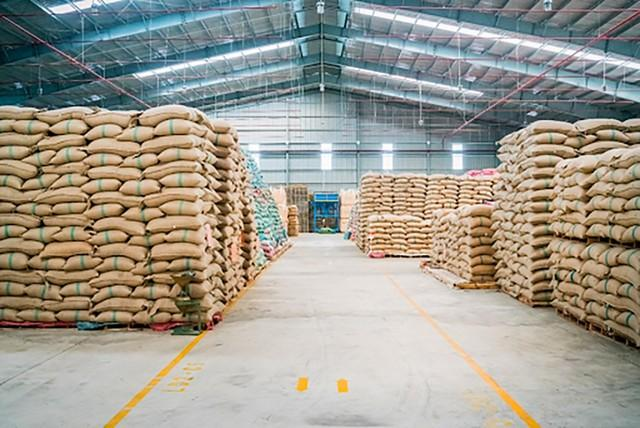
Packaging plays an important role in maintaining product quality during international transportation.
The appropriate packaging depends on product characteristics, shipment size, and buyer requirements.
Food-Grade Bulk Bags
Suitable food-grade bags or lined packaging may be used for various dried agricultural ingredients.
Cartons
Cartons may be appropriate for selected products requiring additional protection against physical damage.
Jute Bags
Jute bags are commonly used for certain agricultural commodities, including green coffee beans.
Protective Inner Liners
Inner liners may help reduce moisture exposure during transportation.
Customized Packaging
Depending on supplier capabilities, buyers may request specific net weights, labels, or packaging arrangements.
Important Packaging Considerations
- Moisture protection
- Material suitability
- Product identification
- Batch traceability
- Accurate net weight
- Storage instructions
- Container loading requirements
- Destination-market labeling compliance
Packaging requirements should be confirmed before production and shipment.
8. Export Documentation for Vietnam Agricultural Products
International agricultural shipments may require different documents depending on the destination market and product category.
Common commercial and regulatory documents may include:
Commercial Invoice
The commercial invoice identifies the seller, buyer, goods, quantities, and commercial value.
Packing List
The packing list provides information about packaging units, weights, and shipment contents.
Bill of Lading or Air Waybill
These documents relate to the transportation of goods.
Certificate of Origin
A Certificate of Origin may be required or requested to establish the origin of the goods or support applicable preferential tariff claims.
Phytosanitary Certificate
A phytosanitary certificate may be required for certain plant products, depending on the destination market.
Certificate of Analysis
A Certificate of Analysis may be requested to document selected quality or safety test results.
Additional Documentation
Other certificates, permits, or inspection records may be necessary depending on the product and importing country.
Buyers should confirm document requirements before shipment.
9. How to Import Agricultural Products from Vietnam
A structured sourcing process can help reduce commercial, quality, and regulatory risks.
Step 1: Identify Your Required Products
Prepare a list of agricultural ingredients you intend to purchase.
For each product, specify the required commercial form and intended application.
Step 2: Define Technical Specifications
Establish requirements for moisture, appearance, size, foreign matter, testing, packaging, and other relevant criteria.
Step 3: Identify Potential Suppliers
Evaluate suppliers based on their ability to discuss product specifications, sourcing arrangements, documentation, and quality requirements.
Step 4: Request Quotations
Provide the required quantity, destination port, and preferred Incoterms.
Step 5: Request Representative Samples
Samples allow buyers to evaluate physical characteristics and suitability for the intended application.
Step 6: Verify Quality and Compliance
Agree on inspection procedures, laboratory testing, acceptance criteria, and required documentation.
Step 7: Confirm Commercial Terms
Discuss pricing, payment terms, shipment timing, and responsibilities under the selected Incoterms.
Step 8: Verify Import Regulations
Confirm the requirements applicable to the product and destination market.
Step 9: Approve Shipment
Ensure that the final goods match the agreed specifications and commercial documentation.
Step 10: Evaluate Supplier Performance
After delivery, review product quality, packaging, documentation, communication, and shipment performance.
This evaluation can support future sourcing decisions.
10. FOB vs. CIF vs. EXW: Understanding Trade Terms
International buyers should understand the responsibilities associated with different Incoterms.
EXW – Ex Works
Under EXW, the seller makes the goods available at the agreed location, while the buyer assumes extensive transportation and export-related responsibilities.
The practical suitability of EXW should be evaluated carefully for international shipments.
FOB – Free on Board
FOB is commonly used for suitable sea or inland waterway shipments.
The seller delivers the goods on board the vessel at the named port of shipment, with risk transferring according to the applicable Incoterms rule.
CIF – Cost, Insurance and Freight
Under CIF, the seller arranges and pays for carriage and the required minimum level of insurance to the named destination port.
However, risk transfers when the goods are on board the vessel at the port of shipment, not upon arrival at the destination.
Choosing the Right Incoterm
Buyers should confirm:
- The applicable Incoterms version
- Named place or port
- Freight responsibilities
- Insurance arrangements
- Export and import customs responsibilities
- Risk transfer point
- Documentation requirements
The appropriate term depends on the shipment and commercial arrangement.
11. What Affects Vietnam Agricultural Products Prices?
The cost of agricultural ingredients may vary according to multiple factors.
Product Category
Different commodities have different growing, harvesting, processing, and trading characteristics.
Quality Grade
More demanding specifications may involve additional sorting, processing, or quality assurance.
Seasonal Availability
Harvest timing, weather conditions, and supply levels can influence market prices.
Processing Requirements
Cleaning, drying, slicing, peeling, grinding, and other processes may affect production costs.
Laboratory Testing
Additional testing or third-party inspection may affect the total cost.
Order Quantity
Bulk order volumes may influence unit pricing depending on supplier capacity and availability.
Packaging
Customized packaging, inner liners, cartons, or other materials may affect quotation costs.
Freight and Logistics
Transportation costs depend on destination, shipment volume, routing, and market conditions.
Currency and Market Conditions
Exchange rates and international commodity market developments may influence final pricing.
For accurate quotations, buyers should provide detailed specifications and commercial requirements.
12. How to Choose a Vietnam Agricultural Products Supplier
Choosing the right supplier is an important part of international procurement.
Product Knowledge
A supplier should be able to discuss relevant product forms, grades, and technical requirements.
Quality Communication
Clear specifications, representative samples, and appropriate testing arrangements help reduce misunderstandings.
Traceability
Buyers should confirm what origin and batch information can be provided.
Export Documentation
The supplier should be able to discuss applicable documentation requirements and responsibilities.
Packaging Capability
Packaging should match the product and transportation requirements.
Commercial Transparency
Pricing, payment conditions, lead times, and shipment terms should be clearly documented.
Communication
Timely and accurate communication is important for resolving technical and commercial questions.
No single factor guarantees supplier reliability. Buyers should evaluate the complete sourcing arrangement.
13. Why Source Vietnam Agricultural Products with VinaSpices?
VinaSpices JSC welcomes inquiries from international buyers interested in Vietnamese spices, botanical ingredients, and agricultural products.
Our product interests include:
- Vietnam Cassia Cinnamon
- Vietnam Star Anise
- Vietnamese Black Cardamom
- Vietnam Dried Ginger
- Vietnamese Lotus Seeds
- Vietnam Turmeric
- Vietnamese Coffee Beans
- Vietnam Hoa Hoe Flower Buds
We welcome inquiries from:
- International spice importers
- Food ingredient distributors
- Food and beverage manufacturers
- Coffee importers and roasters
- Botanical ingredient buyers
- Agricultural commodity wholesalers
- Private-label brands
- Foodservice suppliers
Our approach is to understand each buyer’s requirements and discuss suitable sourcing arrangements.
Product availability, specifications, packaging, testing, export documentation, and shipment terms are confirmed during the quotation process.
14. Frequently Asked Questions About Vietnam Agricultural Products
What are the main agricultural products exported from Vietnam?
Vietnam exports a broad range of agricultural commodities, including coffee, spices, rice, fruits, nuts, and other products. Availability and export conditions vary by commodity.
Can I import Vietnamese spices in bulk?
Bulk sourcing arrangements may be available for products such as cassia cinnamon, star anise, black cardamom, ginger, and turmeric, depending on supplier capabilities and current availability.
Is Vietnam a major coffee-producing country?
Yes. Vietnam is internationally recognized as a significant coffee producer, particularly for Robusta coffee.
What documents are needed to import agricultural products from Vietnam?
Requirements depend on the product and destination market. Commercial invoices, packing lists, transport documents, certificates of origin, phytosanitary certificates, and analytical reports may be applicable.
How can I verify the quality of Vietnamese agricultural products?
Buyers can establish measurable specifications, request representative samples, review supporting documentation, and arrange appropriate inspection or laboratory testing.
Can I request samples before placing a bulk order?
Buyers may request sample availability and sampling terms during the quotation process.
What is the minimum order quantity for agricultural products?
MOQ varies according to the product, grade, packaging, supplier capacity, and current availability.
Can I purchase multiple agricultural products from one supplier?
Some suppliers may discuss sourcing arrangements for multiple product categories. Buyers should confirm availability, quality requirements, and commercial terms for each product.
Are Vietnamese agricultural products suitable for food manufacturing?
Many Vietnamese agricultural ingredients are used in food manufacturing. Suitability depends on the product, processing, food safety requirements, and destination-market regulations.
How can I request a quotation from VinaSpices?
Contact VinaSpices with your required products, quantities, specifications, packaging preferences, destination port, and preferred Incoterms.
Request a Vietnam Agricultural Products Quotation
Are you looking for a Vietnam Agricultural Products Supplier for wholesale distribution, food manufacturing, coffee roasting, botanical processing, or international commodity trading?
Contact VinaSpices JSC to discuss sourcing opportunities for Vietnamese spices and agricultural ingredients.
For a faster quotation, please provide:
- Required product names
- Product forms and grades
- Order quantity for each product
- Technical specifications
- Packaging requirements
- Destination country and port
- Preferred Incoterms (FOB, CIF, or other agreed terms)
- Required laboratory testing
- Export documentation requirements
- Expected purchasing schedule
VinaSpices JSC – Vietnam Spices & Agricultural Products
Email: spicesvina@gmail.com
WhatsApp: +84 904 384 051
Website: https://vietnam-spices.com/
Contact: https://vietnam-spices.com/contact/
Send us your RFQ and explore sourcing opportunities for Vietnamese agricultural products, spices, coffee beans, and botanical ingredients.