
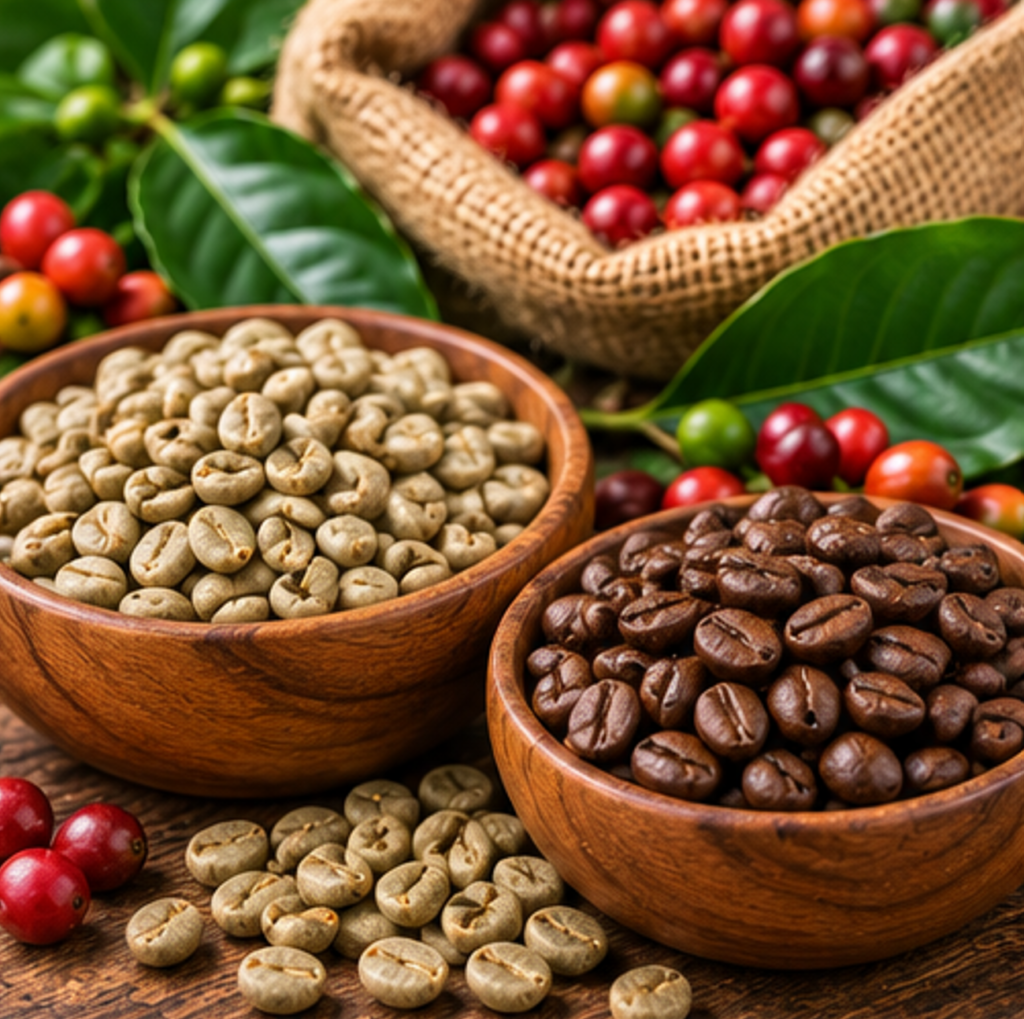
Vietnamese Coffee Beans are an important part of the global coffee supply chain, offering sourcing opportunities for international coffee importers, roasters, distributors, instant coffee manufacturers, and private-label coffee brands.
Vietnam is particularly well known for its Robusta coffee production, while Arabica coffee is also cultivated in suitable highland growing regions.
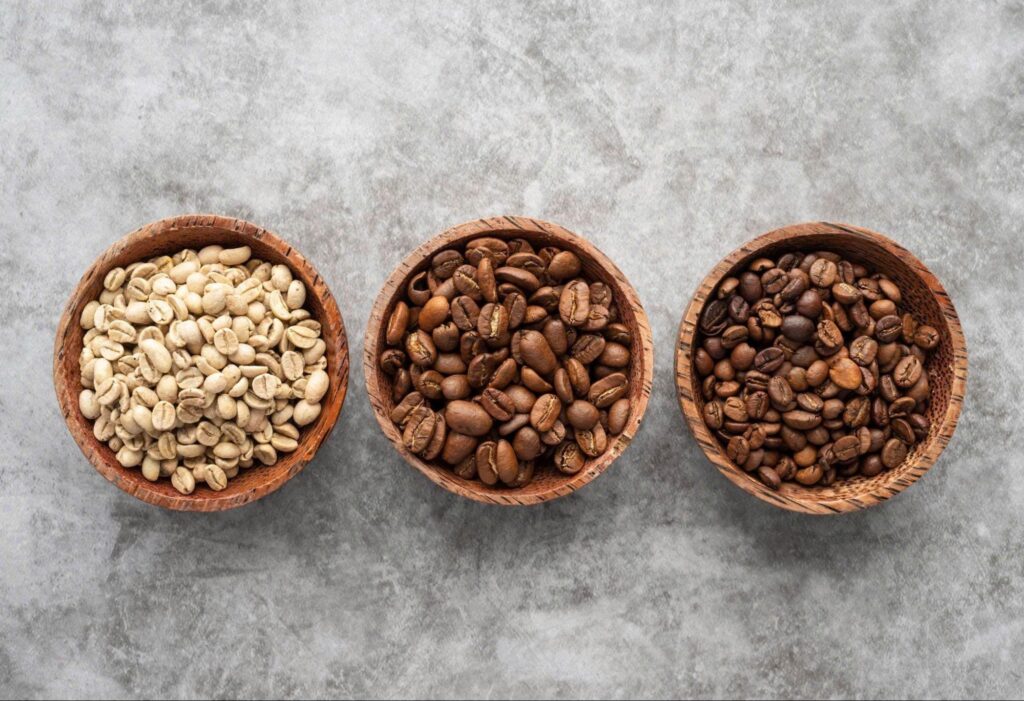
For international buyers, Vietnam coffee beans are available in different commercial forms and grades, including green Robusta beans, green Arabica beans, and selected processed coffee products.
However, successful bulk sourcing requires more than comparing prices. Buyers should understand coffee varieties, growing regions, processing methods, screen sizes, defect tolerances, moisture content, sensory quality, packaging, traceability, and export documentation.
This guide explains what B2B buyers should know before sourcing coffee beans from Vietnam.
1. What Are Vietnamese Coffee Beans?
Vietnamese coffee beans are produced from coffee cherries cultivated and processed in Vietnam.
The two principal commercially relevant coffee types are Robusta and Arabica.
Robusta is commonly associated with Coffea canephora, while Arabica is associated with Coffea arabica.
After harvesting, coffee cherries undergo processing to remove the fruit layers and prepare the beans for drying, sorting, and export.
Green coffee beans are unroasted beans intended for further roasting or industrial processing.
Common Commercial Applications
- Coffee roasting
- Espresso blend production
- Instant coffee manufacturing
- Ready-to-drink coffee production
- Private-label coffee brands
- Foodservice coffee supply
- Wholesale coffee distribution
- Industrial coffee ingredient processing
Different buyers require different bean types and technical specifications.
For example, an espresso roaster may prioritize sensory profile and roasting consistency, while an instant coffee manufacturer may focus on a combination of price, extractability, quality, and processing suitability.
2. Where Is Coffee Grown in Vietnam?
Vietnam has established coffee-growing regions, particularly in the Central Highlands.
Important coffee-producing areas include Dak Lak, Lam Dong, Gia Lai, and other suitable agricultural regions.
Central Highlands Robusta Coffee
The Central Highlands are strongly associated with Vietnamese Robusta production.
Growing conditions, farming practices, harvest maturity, and processing methods influence the final characteristics of green coffee beans.
Vietnamese Arabica Coffee
Arabica cultivation is associated with suitable higher-altitude growing areas, including parts of Lam Dong and northern Vietnam.
Arabica production conditions differ from those commonly associated with Robusta.
Factors Affecting Coffee Quality
- Coffee species and variety
- Growing altitude
- Soil and climate
- Harvest maturity
- Cherry selection
- Processing method
- Drying conditions
- Storage and handling
- Sorting and grading
For international buyers, origin information is valuable, but purchasing decisions should also consider representative samples, quality specifications, and traceability.
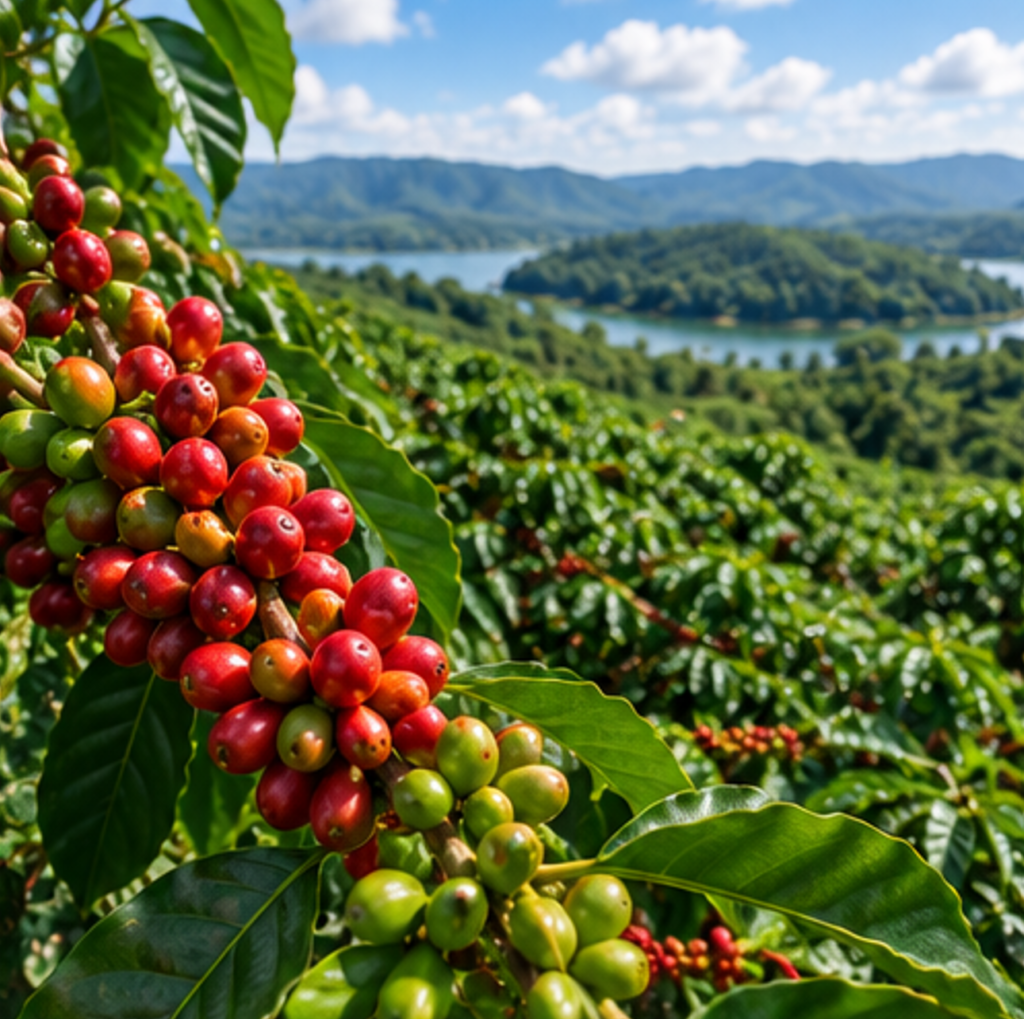
3. Vietnam Robusta Coffee Beans
Vietnam Robusta Coffee is one of the country’s best-known agricultural export products.
Robusta is commonly valued for its strong body, pronounced bitterness, and suitability for certain espresso blends and industrial coffee applications.
However, the sensory profile of Robusta varies considerably according to growing conditions, processing, and quality grade.
Common Applications of Vietnamese Robusta
- Espresso blends
- Instant coffee production
- Commercial coffee roasting
- Ready-to-drink coffee beverages
- Foodservice coffee products
- Industrial coffee processing
Key Purchasing Criteria
When sourcing green Robusta coffee beans, buyers should consider:
- Screen size
- Moisture content
- Defect count
- Foreign matter
- Bean uniformity
- Processing method
- Sensory quality
- Crop year
- Packaging
- Traceability
Buyers should not assume that all Robusta coffee from Vietnam has the same quality or flavor characteristics.
4. Vietnam Arabica Coffee Beans
Vietnam Arabica Coffee is cultivated in suitable growing areas where altitude and climate support Arabica production.
Arabica is commonly associated with a wider range of acidity and aromatic characteristics, although its final flavor profile depends on variety, processing, roasting, and other factors.
Common Applications
- Specialty coffee roasting
- Single-origin coffee products
- Premium coffee blends
- Espresso and filter coffee
- Private-label coffee brands
- Foodservice coffee programs
Important Purchasing Criteria
- Growing origin
- Coffee variety, where known
- Processing method
- Screen size
- Moisture content
- Defect count
- Sensory profile
- Cupping evaluation
- Lot traceability
For buyers purchasing Arabica based on sensory characteristics, representative samples and an agreed cupping protocol are particularly important.
5. Vietnam Robusta vs. Arabica Coffee
Robusta and Arabica have different botanical and commercial characteristics.
| Feature | Vietnam Robusta | Vietnam Arabica |
|---|---|---|
| Botanical species | Coffea canephora | Coffea arabica |
| Common growing conditions | Often cultivated at lower elevations than Arabica | Often cultivated at higher elevations |
| Typical flavor tendencies | Strong body, bitterness, earthy or nutty notes | More varied acidity and aromatic complexity |
| Caffeine | Generally higher than Arabica | Generally lower than Robusta |
| Common applications | Espresso blends, instant coffee, commercial roasting | Specialty roasting, filter coffee, premium blends |
| Purchasing criteria | Screen size, defects, moisture, sensory quality | Origin, processing, defects, moisture, cupping profile |
These are general characteristics rather than guarantees for individual lots.
The most suitable coffee type depends on the buyer’s product positioning, roasting process, target flavor, and commercial requirements.
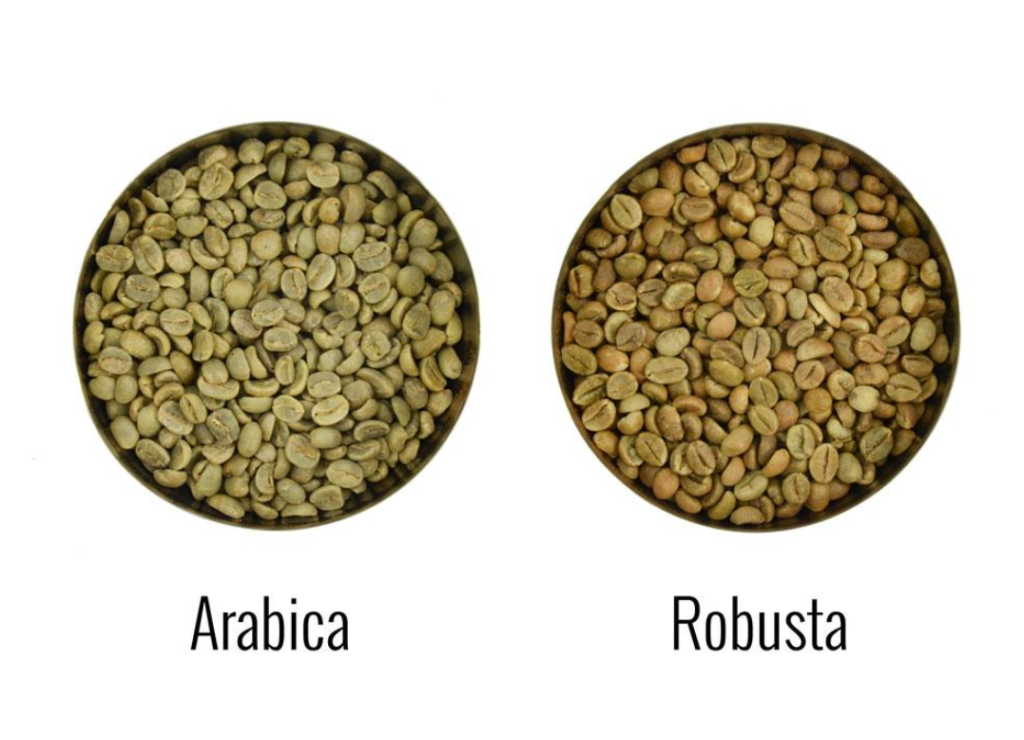
6. Main Grades and Types of Vietnamese Coffee Beans
Coffee grades vary by supplier, buyer specification, and market.
Instead of relying only on broad commercial descriptions, buyers should agree on measurable quality criteria.
6.1. Green Robusta Coffee Beans
Green Robusta beans are unroasted coffee beans intended for roasting or industrial processing.
They may be offered in different screen sizes and defect grades.
Common purchasing specifications include moisture, screen size, defect limits, and foreign matter.
6.2. Green Arabica Coffee Beans
Green Arabica beans may be offered according to origin, processing method, screen size, and sensory characteristics.
Buyers may request additional information about variety, elevation, and cupping results where available.
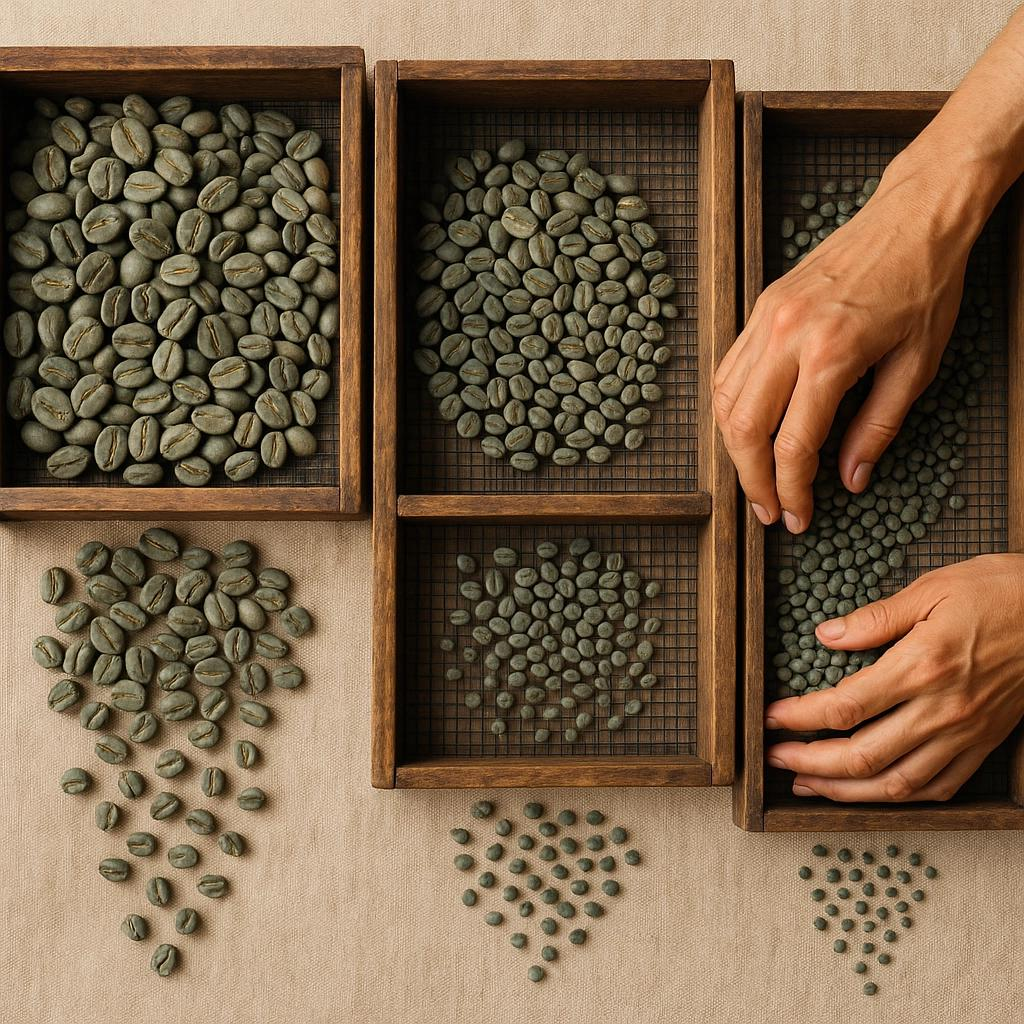
6.3. Screen 16 and Screen 18 Coffee Beans
Screen size is a common method of classifying green coffee beans by physical size.
Coffee screens are commonly designated in increments of 1/64 inch.
For example:
- Screen 16 corresponds to a nominal opening of 16/64 inch.
- Screen 18 corresponds to a nominal opening of 18/64 inch.
However, the actual grading specification should define the permitted percentage retained on or passing through each screen.
Important: Screen size indicates physical bean size. It does not automatically establish superior flavor or overall coffee quality.
6.4. Natural Process Coffee
Natural processing generally involves drying coffee cherries with the fruit intact before removing the dried outer layers.
The process can influence the sensory characteristics of the finished beans.
6.5. Washed Coffee
Washed processing generally involves removing the fruit and using controlled processing steps before drying the beans.
Processing details vary by producer and facility.
6.6. Honey or Other Processing Methods
Some producers may offer additional processing methods.
Availability and technical characteristics should be confirmed for each lot.
7. Vietnamese Coffee Beans Specifications for Importers
A detailed specification sheet helps buyers compare quotations and establish consistent purchasing requirements.
Note: The following table outlines recommended specification categories. It does not represent guaranteed VinaSpices product specifications.
| Specification | What Buyers Should Confirm |
|---|---|
| Product name | Green Coffee Beans |
| Botanical species | Robusta or Arabica |
| Country of origin | Vietnam |
| Growing region | As declared and documented |
| Crop year | Agreed harvest or crop reference |
| Processing method | Natural, washed, or other agreed method |
| Screen size | Agreed screen grade and tolerance |
| Moisture content | Agreed percentage range |
| Defect count | Agreed grading system and limit |
| Foreign matter | Agreed maximum level |
| Bean color | Appropriate to product and processing |
| Odor | Characteristic coffee odor without unacceptable off-notes |
| Sensory profile | Buyer-defined requirements |
| Cupping score | If required, using an agreed protocol |
| Water activity | If required by the buyer |
| Ochratoxin A | Applicable legal and contractual requirements |
| Pesticide residues | Applicable destination-market limits |
| Packaging | Jute bags, lined bags, or other agreed packaging |
| Traceability | Lot and origin information as agreed |
Buyers should confirm the applicable grading standard, sampling method, and acceptance criteria before finalizing a purchase order.
8. Moisture Content and Green Coffee Quality
Moisture management is an important consideration for green coffee beans intended for international transportation.
Excessive moisture may increase the risk of deterioration during storage and shipping.
Very low moisture can also affect product characteristics and processing behavior.
The appropriate moisture range should be agreed upon according to the buyer’s requirements, applicable standards, and intended use.
Factors Affecting Moisture Stability
- Drying practices
- Ambient humidity
- Storage conditions
- Packaging materials
- Container conditions
- Transportation duration
- Warehouse handling
For bulk shipments, buyers should consider moisture testing and appropriate container-loading practices.
Water Activity
Some buyers may also specify water activity as part of their quality assessment.
Moisture content and water activity are related but measure different properties.
The appropriate testing method and acceptance criteria should be agreed upon in advance.
9. Defect Count and Coffee Grading
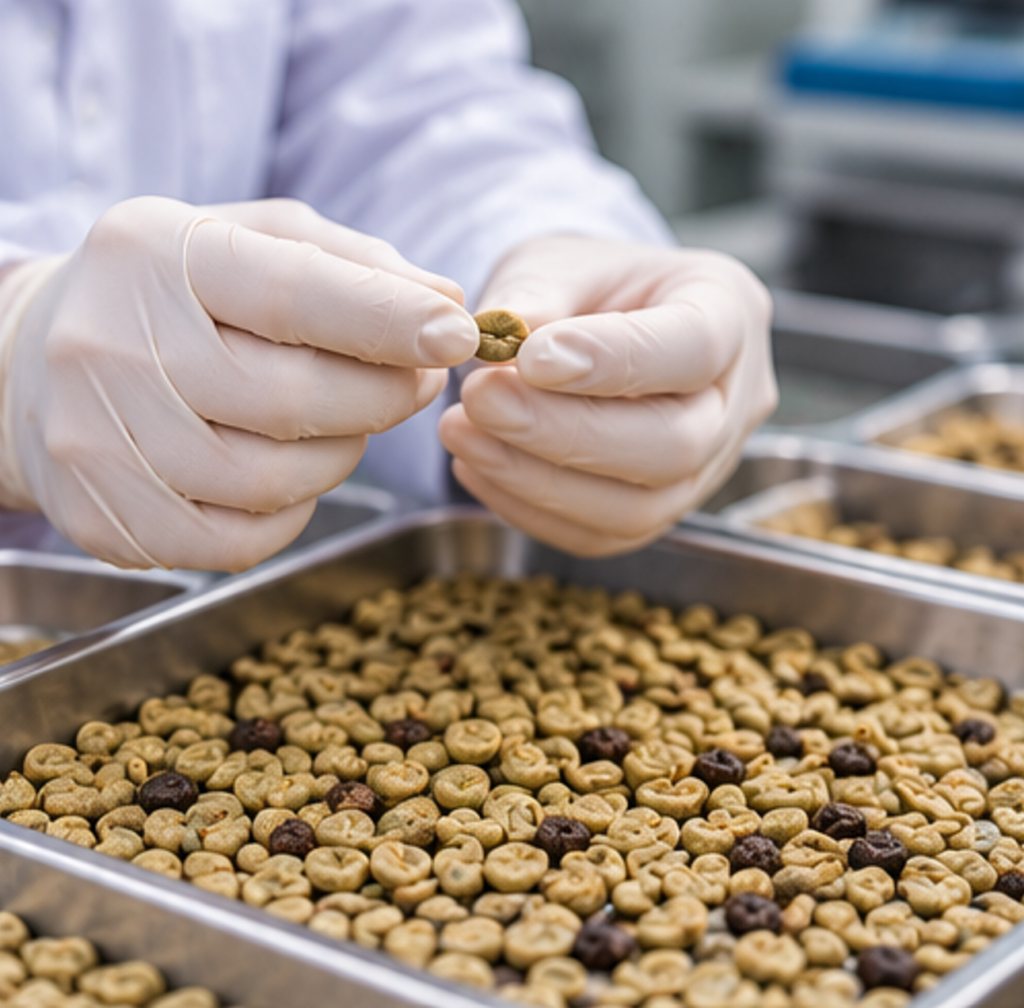
Defect assessment is a key component of green coffee quality control.
Coffee defects may include:
- Black beans
- Sour beans
- Broken beans
- Insect-damaged beans
- Foreign matter
- Other physical defects defined by the selected grading system
The interpretation and weighting of defects depend on the grading method.
Buyers should clearly specify which standard or inspection procedure applies.
Why Defect Limits Matter
Defects can affect:
- Roasting consistency
- Sensory quality
- Processing efficiency
- Product appearance
- Commercial acceptance
For international trade, representative sampling and clearly defined defect tolerances help reduce disputes between buyers and suppliers.
10. Quality Control for Export-Grade Vietnamese Coffee
International coffee buyers should assess both physical characteristics and product safety.
Recommended Inspection Checklist
Before approving a shipment, consider:
- Botanical species confirmation
- Origin and crop information
- Processing method
- Screen size analysis
- Moisture testing
- Defect count
- Foreign matter inspection
- Odor assessment
- Cupping evaluation where required
- Pest and mold inspection
- Mycotoxin testing where applicable
- Pesticide residue testing where applicable
- Packaging integrity
- Lot traceability
Ochratoxin A and Food Safety
Ochratoxin A is a mycotoxin that may be relevant to coffee quality and food safety.
Its occurrence is influenced by factors including handling, drying, and storage conditions.
Importers should confirm applicable regulatory requirements and determine whether laboratory testing is necessary.
Cupping and Sensory Evaluation
For buyers purchasing coffee based on flavor, cupping is an important evaluation method.
Cupping should be conducted using an agreed protocol and representative samples.
A sensory score should not be presented as a guaranteed characteristic unless it is supported by appropriate evaluation.
11. Packaging Options for Vietnamese Coffee Beans Export
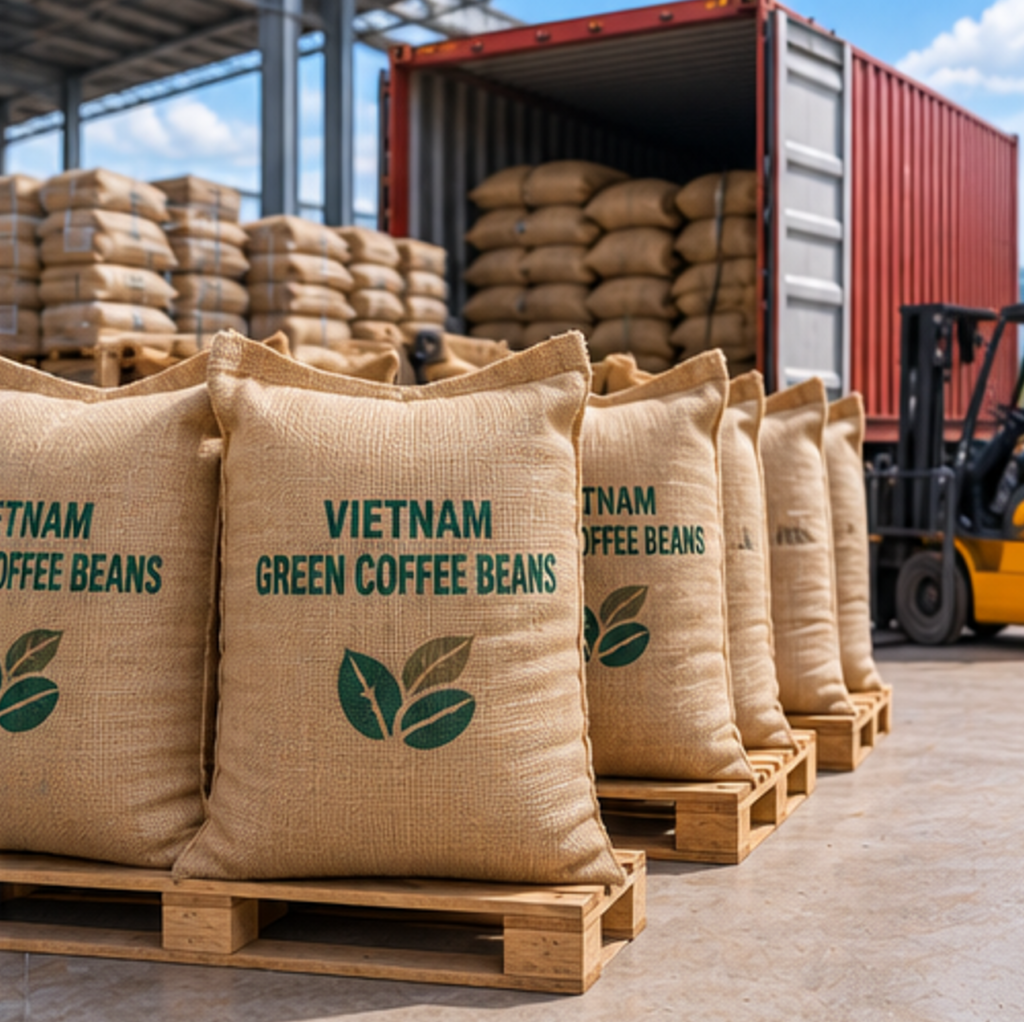
Proper packaging helps protect green coffee beans from contamination, moisture exposure, and physical damage.
Jute Bags
Jute bags are commonly used in international green coffee trade.
The appropriate bag size and net weight should be agreed upon with the supplier.
Lined Bags
Suitable inner liners may be considered to improve moisture protection during storage and transportation.
Bulk Container Packaging
Certain commercial shipments may use bulk loading systems, subject to buyer requirements and logistics arrangements.
Customized Packaging
Buyers may request specific net weights, labeling, palletization, or packaging configurations where supported.
Important Packaging Requirements
- Accurate net weight
- Product identification
- Lot traceability
- Moisture protection
- Suitable stacking and handling
- Container cleanliness
- Destination-market labeling requirements
Packaging specifications should be confirmed before shipment.
12. How to Import Coffee Beans from Vietnam
A structured sourcing process helps international buyers reduce commercial and quality risks.
Step 1: Identify the Coffee Type
Determine whether you require Robusta, Arabica, or a particular blend.
Step 2: Define Technical Specifications
Specify screen size, moisture, defect count, processing method, crop year, packaging, and sensory requirements.
Step 3: Request a Quotation
Contact a Vietnam coffee beans supplier with the required quantity, destination port, and preferred Incoterms.
Step 4: Request Representative Samples
Evaluate bean appearance, moisture, defects, and sensory characteristics.
Step 5: Confirm Quality Requirements
Agree on inspection methods, sampling procedures, laboratory testing, and acceptance criteria.
Step 6: Confirm Commercial Terms
Discuss pricing, payment conditions, shipment timing, and responsibilities under the selected Incoterms.
Step 7: Verify Import Regulations
Confirm customs classification, food safety requirements, documentation, labeling, and other applicable destination-market regulations.
Step 8: Approve Shipment
Ensure that the final shipment matches the agreed specifications and supporting documentation.
13. What Affects Vietnamese Coffee Beans Prices?
The price of Vietnam coffee beans wholesale can vary according to several factors.
Coffee Type
Robusta and Arabica are traded in different market segments and may have different price structures.
Screen Size and Defect Grade
Sorting requirements and defect tolerances can affect processing costs and commercial value.
Processing Method
Natural, washed, and other processing methods may involve different production costs.
Crop Year and Availability
Harvest timing, weather conditions, inventory levels, and supply can influence market pricing.
Sensory Quality
Specific cup profiles and quality requirements may influence sourcing and selection costs.
Order Quantity
Bulk order volume may affect unit pricing depending on supplier capacity and availability.
Packaging and Logistics
Packaging, freight charges, destination port, and Incoterms affect the final landed cost.
International Market Conditions
Coffee prices may also be influenced by global supply and demand, futures markets, currency movements, and other commercial factors.
For an accurate quotation, buyers should provide detailed technical and commercial requirements.
14. Why Source Vietnamese Coffee Beans with VinaSpices?
VinaSpices JSC works with international buyers interested in Vietnam spices and agricultural products.
Coffee beans are among the agricultural product categories for which we welcome sourcing inquiries, alongside cassia cinnamon, star anise, black cardamom, ginger, lotus seeds, turmeric, and other ingredients.
We welcome inquiries from:
- Coffee importers and wholesalers
- Coffee roasters
- Instant coffee manufacturers
- Beverage companies
- Private-label coffee brands
- Foodservice distributors
- International agricultural commodity traders
Our approach is to understand each buyer’s requirements and discuss suitable sourcing arrangements.
Product availability, coffee types, grades, processing methods, packaging options, laboratory testing, export documentation, and shipment terms are confirmed during the quotation process.
15. Frequently Asked Questions About Vietnamese Coffee Beans
Is Vietnam known for Robusta or Arabica coffee?
Vietnam is particularly well known for Robusta production, while Arabica is also cultivated in suitable growing regions.
What is the difference between Vietnam Robusta and Arabica?
Robusta and Arabica are different coffee species with distinct growing characteristics and typical sensory profiles. The final quality depends on origin, processing, and individual lot characteristics.
What does Screen 18 mean in coffee grading?
Screen 18 refers to a nominal sieve opening of 18/64 inch. Buyers should confirm the required screen retention percentage and grading method.
Are larger coffee beans always better?
No. Screen size describes physical size and does not automatically determine flavor quality.
What is the moisture content of export-grade green coffee?
Moisture requirements vary by buyer, grading standard, and intended use. The acceptable range should be agreed upon before purchasing.
Can I buy Vietnamese green Robusta coffee beans in bulk?
Bulk sourcing arrangements may be available through qualified suppliers, depending on grade, quantity, and current supply conditions.
Can I request Arabica coffee samples from Vietnam?
Buyers may request sample availability and sampling terms when contacting a supplier.
What is the minimum order quantity for Vietnamese coffee beans?
MOQ varies according to coffee type, grade, packaging, supplier capacity, and availability.
What documents are required for coffee export?
Requirements vary by destination market. Commercial invoices, packing lists, certificates of origin, phytosanitary certificates, and analytical reports may be applicable.
Can Vietnamese coffee beans be used for espresso blends?
Yes. Vietnamese Robusta and Arabica may be considered for espresso blends, depending on the desired flavor profile and roasting requirements.
Request a Vietnamese Coffee Beans Quotation
Are you looking for a Vietnamese Coffee Beans Supplier for roasting, wholesale distribution, beverage manufacturing, or industrial coffee processing?
Contact VinaSpices JSC to discuss your requirements for Vietnamese Robusta, Arabica, and other available coffee products.
For a faster quotation, please provide:
- Required coffee type: Robusta or Arabica
- Order quantity
- Preferred growing region, if applicable
- Processing method
- Screen size
- Moisture requirements
- Defect limits
- Crop year requirements
- Packaging preferences
- Destination port
- Preferred Incoterms (FOB, CIF, or other agreed terms)
- Required testing and export documentation
VinaSpices JSC – Vietnam Spices & Agricultural Products
Email: spicesvina@gmail.com
WhatsApp: +84 904 384 051
Website: https://vietnam-spices.com/
Contact: https://vietnam-spices.com/contact/
Send us your RFQ and explore sourcing opportunities for Vietnamese coffee beans and other agricultural products.