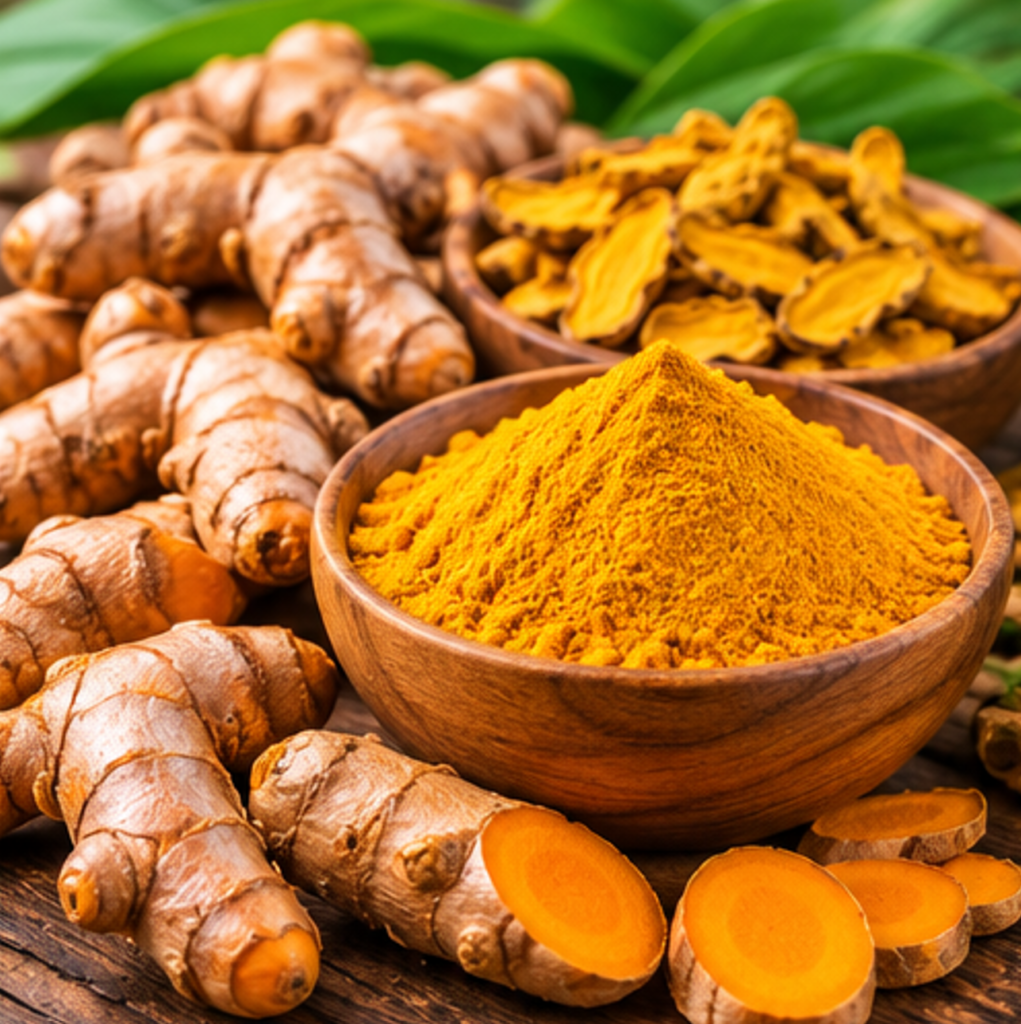
Vietnam Turmeric is a naturally aromatic agricultural ingredient valued for its distinctive golden-yellow color, earthy flavor, and wide range of applications in the international food and spice industries.
Produced from the rhizomes of Curcuma longa, turmeric is used by spice manufacturers, food processors, seasoning producers, beverage companies, and ingredient distributors worldwide.
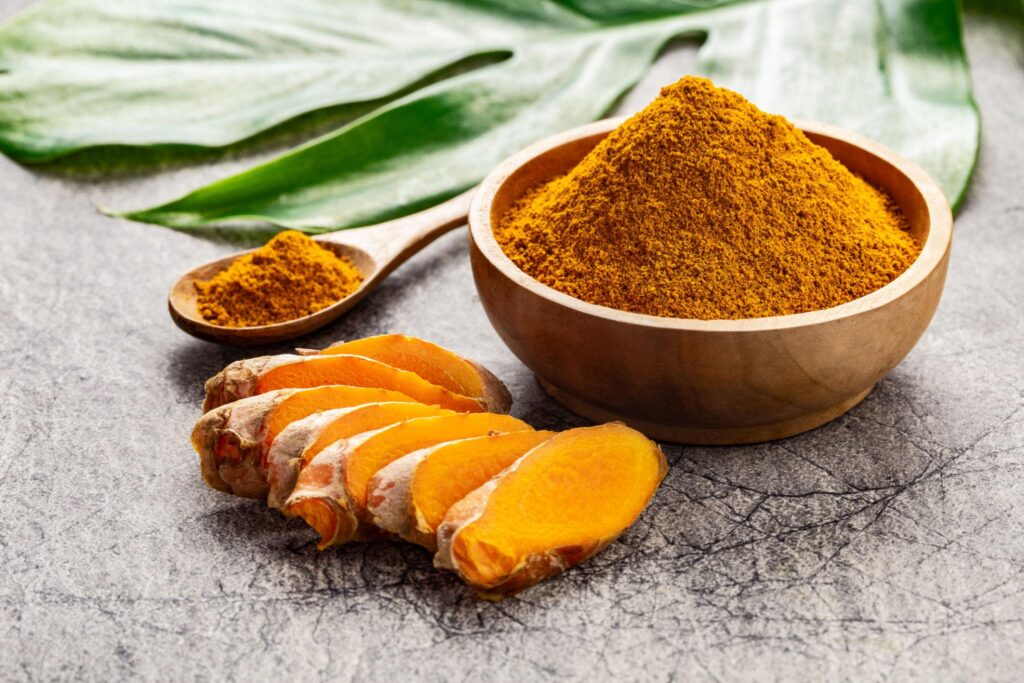
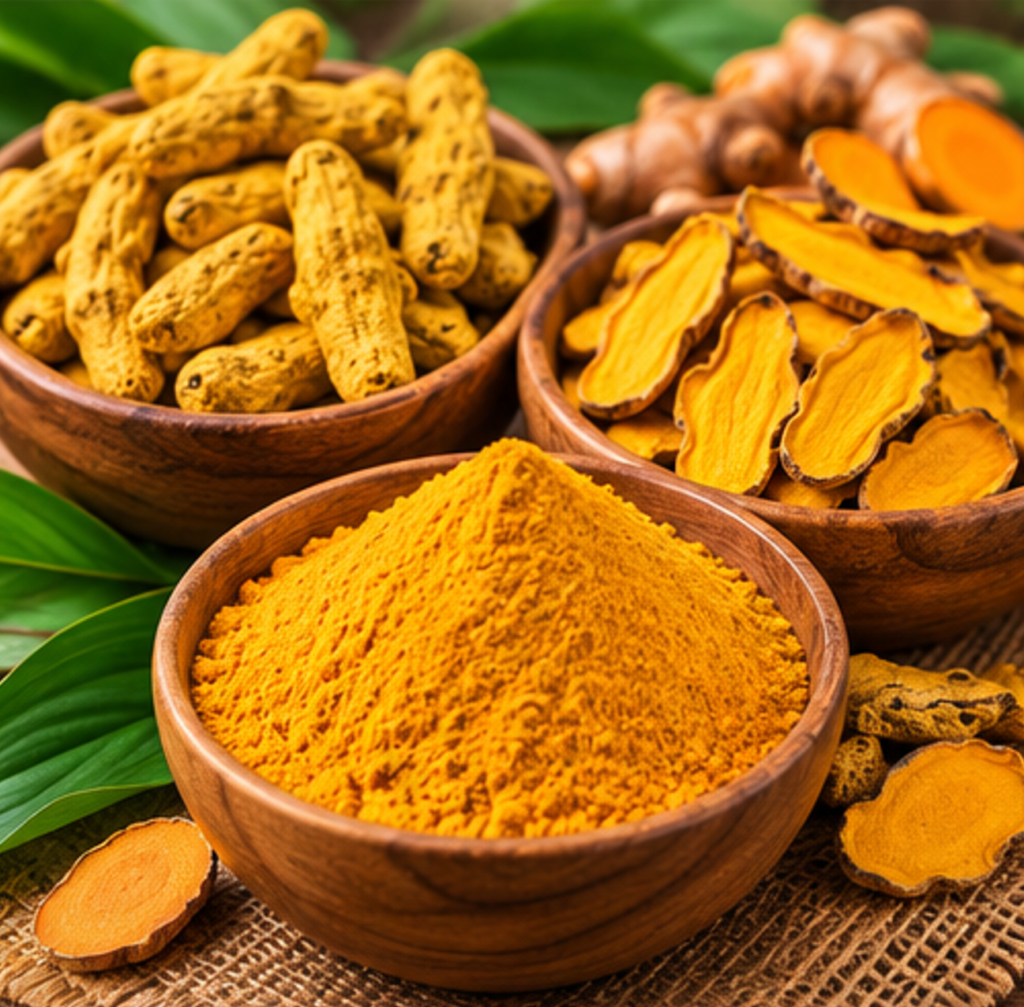
Vietnam offers sourcing opportunities for turmeric in several commercial forms, including fresh rhizomes, dried turmeric fingers, dried slices, and turmeric powder, depending on supplier capabilities and availability.
For international buyers, however, purchasing Vietnamese turmeric requires careful evaluation of botanical identity, product form, moisture content, color, curcumin requirements, microbiological quality, chemical contaminants, packaging, and export documentation.
This guide explains the main grades, specifications, quality considerations, and purchasing procedures for B2B buyers sourcing turmeric from Vietnam.
1. What Is Vietnam Turmeric?
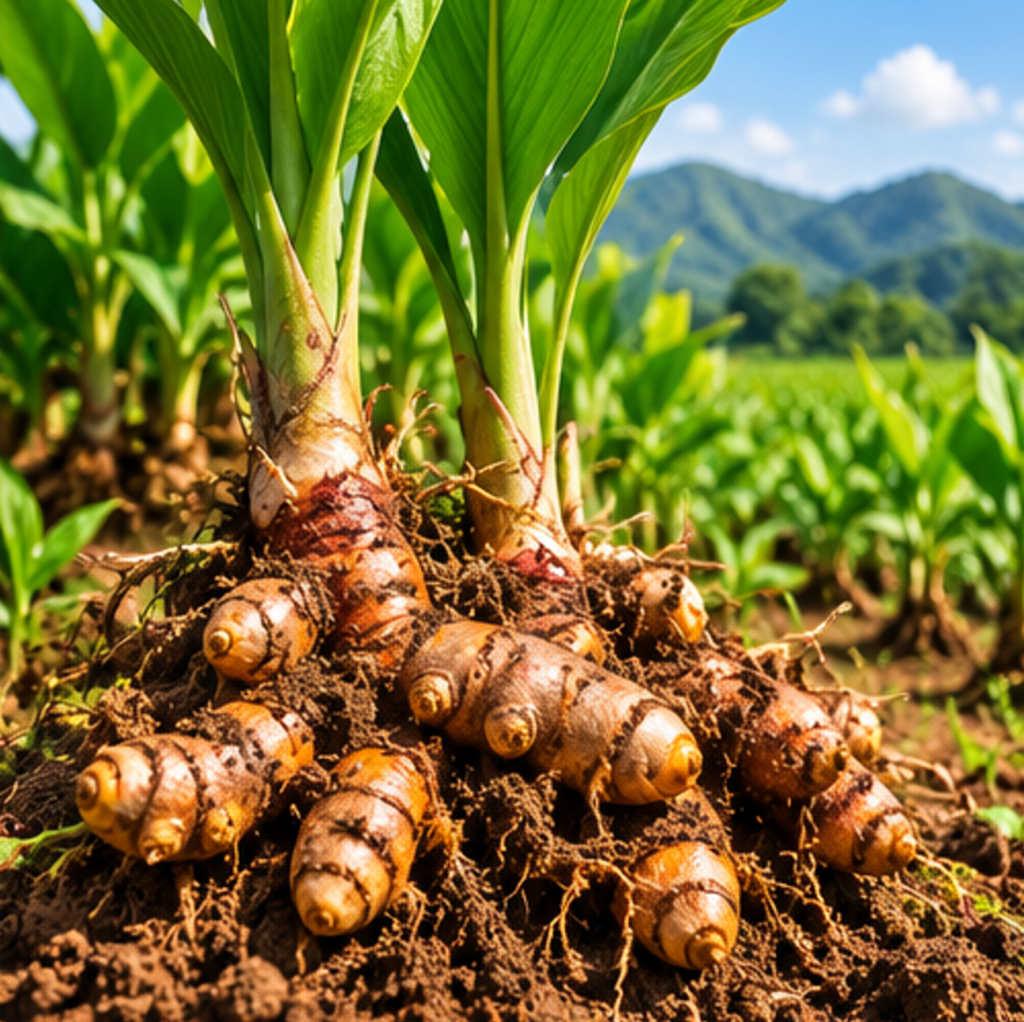
Turmeric is a rhizomatous plant belonging to the ginger family, Zingiberaceae.
The most widely traded culinary turmeric is associated with the botanical species Curcuma longa L.
Its underground rhizomes are harvested and processed for use as a spice, coloring ingredient, and raw material in various food applications.
Turmeric has a characteristic earthy, slightly bitter, and warm flavor.
Its yellow-to-orange color is associated with naturally occurring pigments known as curcuminoids, including curcumin.
Depending on the intended application, turmeric may be supplied as:
- Fresh turmeric rhizomes
- Whole dried turmeric fingers
- Dried turmeric slices
- Dried turmeric pieces
- Turmeric powder
- Other processed forms, subject to supplier capabilities
For food manufacturers, selecting the correct product form is important because particle size, color intensity, flavor, and processing characteristics may influence the finished product.
2. Where Is Turmeric Grown in Vietnam?
Turmeric is cultivated in different agricultural regions of Vietnam where soil, temperature, rainfall, and growing conditions are suitable.
Cultivation can be found in northern, central, and other parts of the country.
Product characteristics may vary depending on the variety, growing environment, harvest maturity, and post-harvest processing.
Factors Affecting Turmeric Quality
- Botanical variety
- Soil and climate
- Harvest maturity
- Rhizome size
- Washing and cleaning methods
- Boiling or curing practices, where used
- Cutting and slicing methods
- Drying temperature
- Grinding methods
- Storage conditions
These factors may influence moisture content, color, aroma, curcuminoid composition, and overall appearance.
For international buyers, origin information is useful, but the final purchasing decision should be based on representative samples, verified specifications, and appropriate testing.
3. Why Is Vietnamese Turmeric Relevant to International Markets?
Natural Golden-Yellow Color
Turmeric is valued for its characteristic color, which makes it useful in seasoning blends and selected food applications.
Color intensity can vary according to variety, processing, storage, and curcuminoid content.
Distinctive Flavor
Turmeric contributes earthy, warm, and slightly bitter notes to food formulations.
It is commonly used in spice blends, sauces, savory foods, and traditional recipes.
Multiple Commercial Forms
Turmeric can be traded as whole dried rhizomes, slices, pieces, or powder.
These forms serve different manufacturing requirements.
Broad Food Industry Applications
Common commercial applications include:
- Spice and seasoning blends
- Curry powder manufacturing
- Sauces and condiments
- Snack seasoning
- Bakery and savory food products
- Tea and beverage blends
- Food ingredient processing
- Wholesale spice distribution
Product suitability should be confirmed against the intended application and destination-market requirements.
4. Main Types and Grades of Vietnam Turmeric
Commercial grading practices vary among suppliers.
Instead of relying only on general labels such as Grade A or Premium Grade, buyers should define measurable technical specifications.
4.1. Whole Dried Turmeric Fingers
Dried turmeric fingers are produced from turmeric rhizomes that have undergone suitable cleaning, processing, and drying.
They are often considered by buyers who intend to grind or process turmeric further.
Common applications:
- Spice grinding
- Ingredient manufacturing
- Wholesale distribution
- Industrial food processing
Important purchasing criteria include moisture content, cleanliness, color, foreign matter, and botanical authenticity.
4.2. Dried Turmeric Slices
Dried turmeric slices are produced by cutting cleaned turmeric rhizomes before drying.
Slice thickness and size may vary depending on processing methods and buyer requirements.
Common applications:
- Tea and beverage ingredient blends
- Further grinding
- Food ingredient processing
- Specialty spice distribution
Buyers should specify:
- Slice thickness
- Size distribution
- Moisture content
- Natural color
- Foreign matter limits
- Broken percentage
- Relevant food safety requirements
4.3. Dried Turmeric Pieces
Turmeric pieces consist of smaller sections of dried rhizomes.
They may be suitable for industrial buyers who plan to grind or further process the material.
The required particle size and cleanliness should be confirmed before purchasing.
4.4. Turmeric Powder
Turmeric powder is produced by grinding suitable dried turmeric into a specified particle size.
It is widely used in food manufacturing because it can be incorporated directly into seasoning and ingredient blends.
Important purchasing criteria include:
- Particle size or mesh specification
- Moisture content
- Curcuminoid or curcumin requirements
- Color consistency
- Aroma and flavor
- Microbiological quality
- Chemical contaminant limits
- Packaging integrity
- Batch traceability
For powdered turmeric, botanical authenticity and adulteration controls are especially important because appearance alone cannot establish product purity.
4.5. Fresh vs. Dried Turmeric
Fresh turmeric and dried turmeric have different handling and transportation requirements.
Fresh turmeric generally requires more careful shelf-life and storage management.
Dried turmeric may be more convenient for certain international supply chains when appropriately processed, packed, and stored.
Buyers should select the form that matches their intended manufacturing process.
5. Vietnam Turmeric Specifications for Importers
A detailed product specification sheet helps buyers compare quotations and establish consistent quality requirements.
The following table outlines important technical criteria.
Note: These are recommended purchasing criteria, not guaranteed VinaSpices product specifications. Actual values and analytical results must be confirmed for each quotation and shipment.
| Specification | What Buyers Should Confirm |
|---|---|
| Product name | Turmeric |
| Botanical name | Curcuma longa L. |
| Country of origin | Vietnam |
| Product form | Whole dried, slices, pieces, or powder |
| Moisture content | Agreed maximum percentage |
| Color | Natural yellow-to-orange color appropriate to grade |
| Aroma | Characteristic turmeric aroma |
| Curcuminoid content | Buyer-defined minimum, if required |
| Curcumin content | Buyer-defined analytical requirement, if applicable |
| Particle size | Agreed mesh or size distribution |
| Foreign matter | Agreed maximum percentage |
| Broken percentage | Agreed limit, where applicable |
| Microbiological criteria | Buyer and destination-market requirements |
| Pesticide residues | Applicable destination-market limits |
| Heavy metals | Applicable legal and contractual limits |
| Mycotoxins | Applicable limits and testing requirements |
| Adulterants | Authenticity requirements and appropriate screening |
| Packaging | Food-grade bags, cartons, or agreed materials |
| Traceability | Batch and origin information as agreed |
Buyers should establish sampling procedures, testing methods, and acceptance criteria before confirming a commercial order.
6. Curcumin and Curcuminoid Content in Turmeric
One of the most frequently discussed technical characteristics of turmeric is its curcumin content.
Curcumin is one of the principal naturally occurring curcuminoids found in turmeric.
Other curcuminoids include demethoxycurcumin and bisdemethoxycurcumin.
These compounds contribute to turmeric’s characteristic color.
Curcumin vs. Total Curcuminoids
Curcumin content and total curcuminoid content are not identical measurements.
Total curcuminoids generally refers to the combined concentration of several curcuminoid compounds, while curcumin content refers specifically to curcumin.
Buyers should clarify which parameter is required in their product specifications.
Factors Affecting Curcuminoid Content
- Botanical variety
- Growing conditions
- Rhizome maturity
- Harvest timing
- Drying and processing methods
- Storage conditions
- Analytical testing method
How Should Buyers Verify Curcumin Content?
If a minimum curcumin or total curcuminoid content is required, buyers should request laboratory analysis using an agreed method.
A Certificate of Analysis may be appropriate for confirming compliance with contractual requirements.
Color alone should not be used as proof of curcumin content.
Buyers should also be cautious about unusually bright or inconsistent coloring, which may warrant additional authenticity testing.
7. Drying Methods and Moisture Control
Drying is an important processing stage for turmeric intended for international trade.
Its purpose is to reduce moisture to an agreed level while maintaining suitable quality and food safety.
Traditional Drying
Some turmeric products may be dried using traditional methods.
The effectiveness of these methods depends on weather conditions, hygiene, handling, and protection from contamination.
Mechanical Drying
Mechanical drying uses equipment to control temperature, airflow, and drying duration.
Depending on processing conditions, it may help improve consistency.
However, final product quality should still be verified through testing and inspection.
Why Moisture Matters
Excessive moisture can increase the risk of deterioration during storage and transportation.
The appropriate moisture specification depends on product form, packaging, intended application, and buyer requirements.
Importers should establish a maximum moisture value and an agreed testing method.
8. Quality Control for Export-Grade Vietnam Turmeric
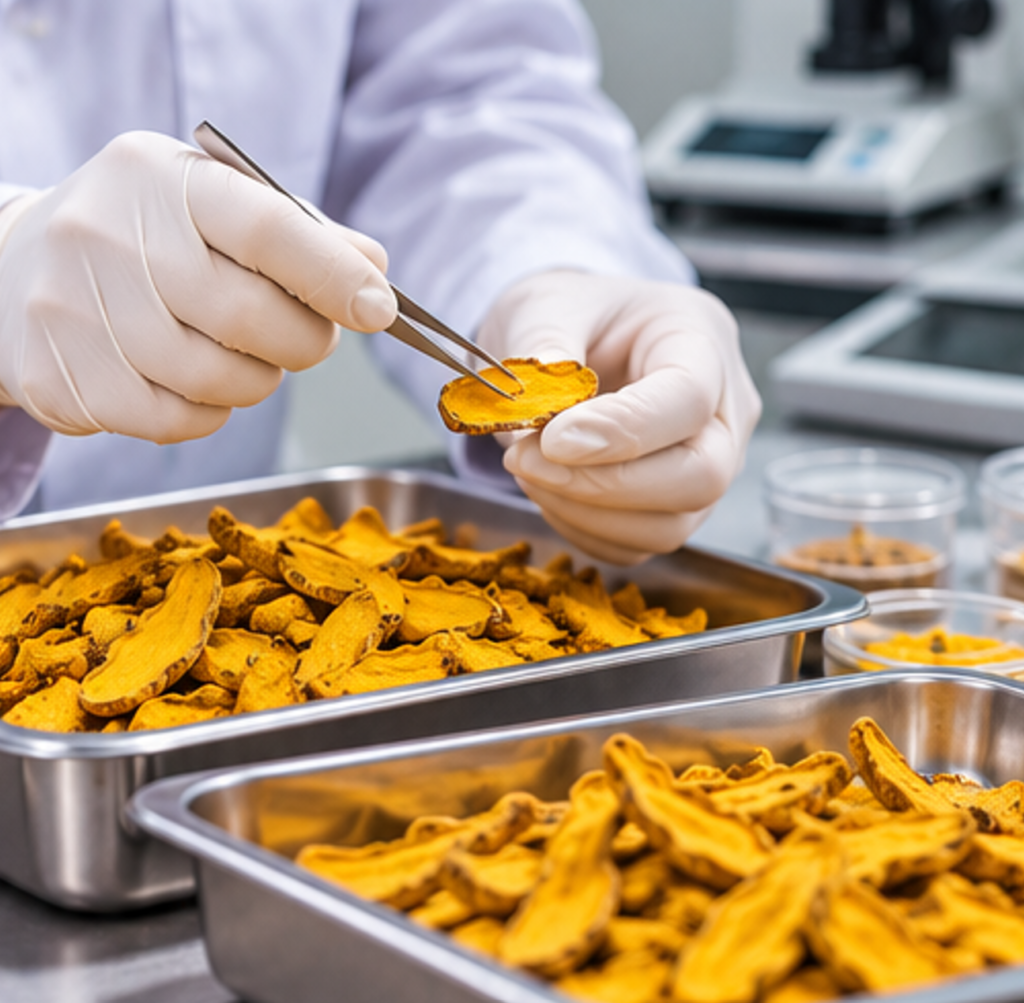
International buyers should assess both physical quality and food safety.
Recommended Quality Inspection Checklist
Before approving a bulk order, consider:
- Botanical identity verification
- Visual appearance
- Moisture testing
- Color consistency
- Aroma evaluation
- Particle size or slice thickness
- Foreign matter inspection
- Mold and pest inspection
- Microbiological testing where required
- Pesticide residue testing where applicable
- Heavy metal testing where applicable
- Mycotoxin testing where relevant
- Adulteration screening
- Packaging integrity
- Batch traceability
Heavy Metals and Adulteration
Turmeric powder deserves particular attention to authenticity and contaminant controls.
In some supply chains, adulteration with unauthorized coloring substances has been identified as a food safety concern.
Buyers should establish appropriate controls for heavy metals, including lead, and any relevant prohibited colorants.
Testing should be determined according to the destination market, product risk assessment, and contractual requirements.
Microbiological Quality
Turmeric intended for food manufacturing may require testing for relevant microorganisms according to buyer specifications and applicable regulations.
Requirements vary by destination market and intended use.
Supplier Documentation
Depending on the order, buyers may request:
- Product specification sheet
- Certificate of Analysis, where available
- Batch identification
- Inspection reports
- Origin documentation
- Relevant export documents
Supplier claims should be supported by appropriate records where verification is required.
9. Dried Turmeric Slices vs. Turmeric Powder
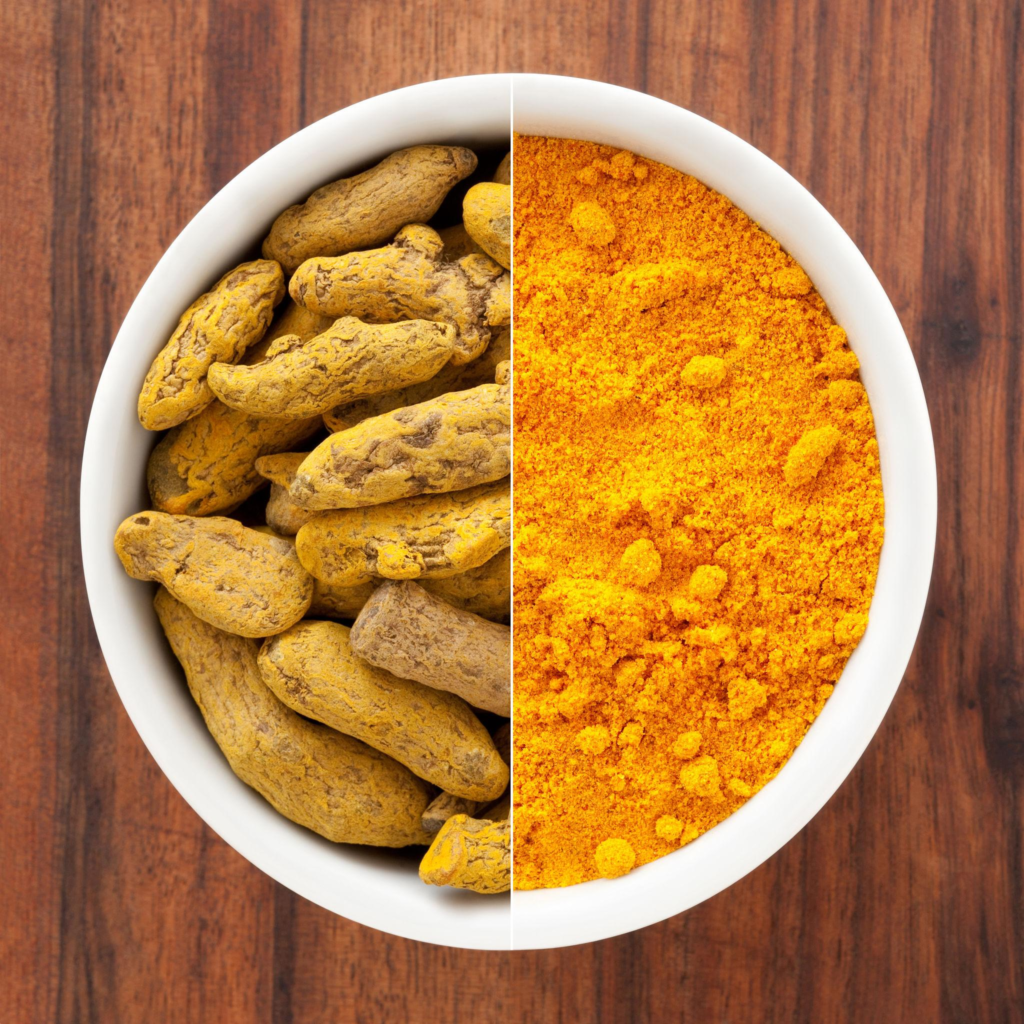
Both dried turmeric slices and turmeric powder are commercially useful, but they serve different applications.
| Feature | Dried Turmeric Slices | Turmeric Powder |
|---|---|---|
| Physical form | Visible dried slices | Ground particles |
| Common applications | Further processing, tea blends, grinding | Seasonings, sauces, food manufacturing |
| Visual inspection | Easier to assess physical appearance | More difficult to assess visually |
| Size specification | Slice thickness and diameter | Mesh or particle size distribution |
| Further processing | May require grinding | Generally ready for blending |
| Quality considerations | Moisture, appearance, cleanliness | Moisture, microbiology, authenticity, particle size |
The appropriate choice depends on the manufacturer’s equipment, formulation, and quality requirements.
10. Packaging Options for Vietnam Turmeric Export
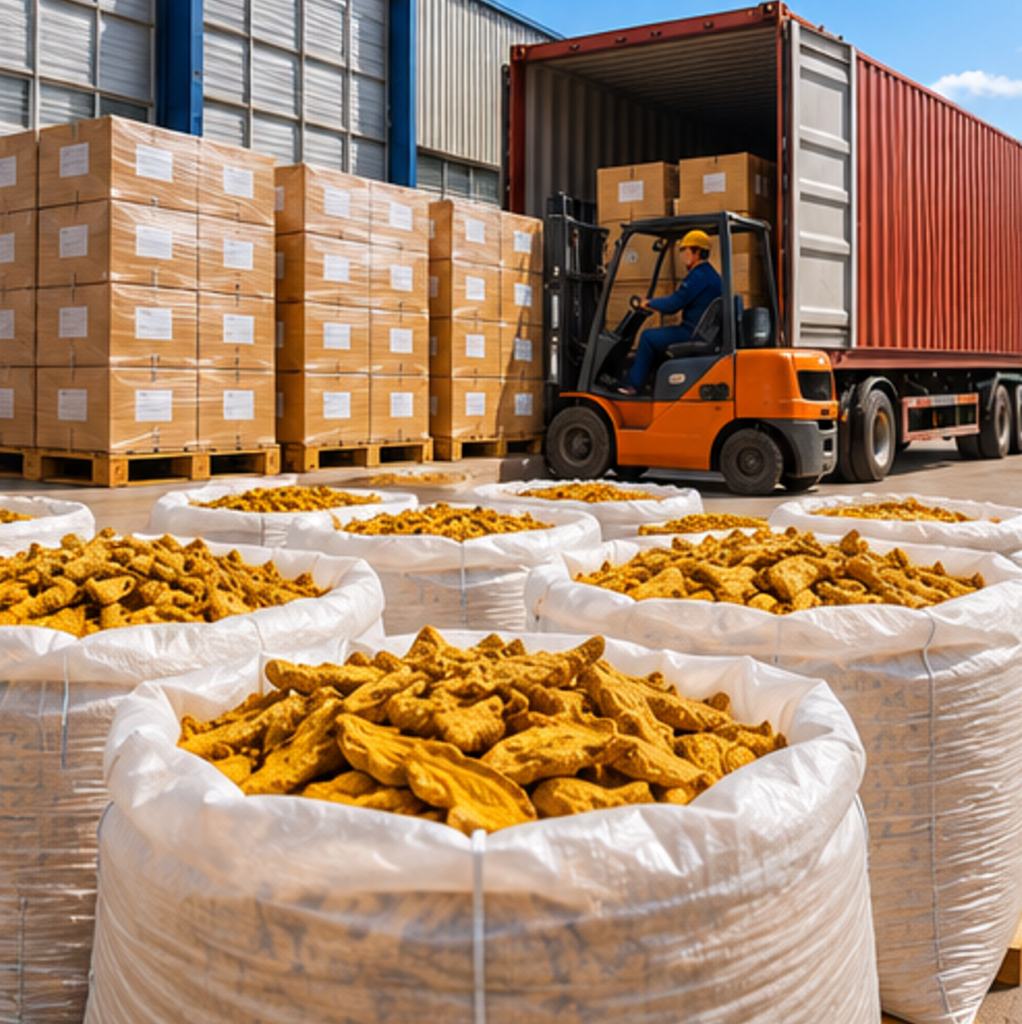
Proper packaging helps protect dried turmeric from moisture, contamination, physical damage, and quality deterioration during storage and transportation.
Food-Grade Bulk Bags
Suitable food-grade bags or lined bulk packaging may be used for industrial shipments.
Carton Packaging
Cartons may be appropriate for selected product forms or buyers requiring additional physical protection.
Turmeric Powder Packaging
Turmeric powder may require packaging designed to reduce moisture exposure, prevent leakage, and protect product quality.
Customized Packaging
Buyers may request specific net weights, labeling, or retail packaging arrangements where supported by the supplier.
Important Packaging Requirements
- Moisture protection
- Food-contact material suitability
- Accurate net weight
- Product identification
- Batch traceability
- Suitable stacking and handling
- Appropriate storage instructions
- Destination-market labeling compliance
Packaging specifications should be confirmed before production or shipment.
11. How to Import Turmeric from Vietnam
A structured sourcing process helps international buyers reduce quality and commercial risks.
Step 1: Identify the Required Product Form
Determine whether you need whole dried turmeric, slices, pieces, or powder.
Step 2: Define Technical Specifications
Specify moisture limits, color requirements, particle size, curcuminoid requirements, packaging, and relevant testing criteria.
Step 3: Request a Quotation
Contact a Vietnam turmeric supplier with your required quantity, destination port, and preferred Incoterms.
Step 4: Request Representative Samples
Evaluate appearance, aroma, cleanliness, and suitability for your intended application.
Step 5: Confirm Laboratory Requirements
Agree on analytical methods, contaminant testing, inspection arrangements, and acceptance criteria.
Step 6: Confirm Commercial Terms
Discuss pricing, payment conditions, shipment timing, and responsibilities under the selected Incoterms.
Step 7: Verify Import Regulations
Check customs classification, phytosanitary requirements, food safety standards, labeling rules, and other applicable destination-market regulations.
Step 8: Approve Shipment
Ensure the shipment matches the agreed specifications and commercial documentation.
12. What Affects Vietnam Turmeric Prices?
The price of Vietnam turmeric wholesale may vary according to several factors.
Product Form
Whole dried turmeric, slices, pieces, and powder may involve different processing costs.
Raw Material Quality
Rhizome maturity, variety, and availability can influence processing yields and quality.
Curcuminoid Requirements
Specific analytical requirements may influence sourcing, selection, and quality assurance costs.
Drying and Processing
Drying methods, moisture targets, cleaning, slicing, and grinding may affect production expenses.
Laboratory Testing
Additional testing for curcuminoids, microbiology, contaminants, or authenticity may affect total purchasing costs.
Order Quantity
Bulk order volumes may influence unit pricing depending on availability and supplier capacity.
Packaging and Shipping
Packaging materials, freight charges, destination port, and Incoterms affect the final landed cost.
For an accurate quotation, buyers should provide complete technical and commercial requirements.
13. Why Source Vietnamese Turmeric with VinaSpices?
VinaSpices JSC works with international buyers interested in sourcing Vietnam Spices and agricultural products.
Turmeric is one of our agricultural product interests, alongside Vietnamese cassia cinnamon, star anise, black cardamom, dried ginger, lotus seeds, and other ingredients.
We welcome inquiries from:
- Spice importers and wholesalers
- Food manufacturers
- Seasoning and spice-blend producers
- Beverage ingredient buyers
- Foodservice distributors
- Agricultural commodity traders
- International ingredient distributors
Our approach is to understand each buyer’s requirements and discuss suitable sourcing arrangements.
Product availability, processing forms, grades, packaging options, laboratory testing, export documentation, and shipment terms are confirmed during the quotation process.
14. Frequently Asked Questions About Vietnam Turmeric
What is the botanical name of Vietnamese turmeric?
The most widely traded culinary turmeric is Curcuma longa L.
What forms of turmeric can be sourced from Vietnam?
Commercial forms may include fresh rhizomes, whole dried turmeric, dried slices, pieces, and powder. Availability varies by supplier.
What is the difference between curcumin and total curcuminoids?
Curcumin is one specific compound, while total curcuminoids refers to a group of related compounds. Buyers should specify the required analytical parameter.
Does darker or brighter turmeric always contain more curcumin?
No. Color alone is not a reliable measurement of curcumin content. Laboratory testing is required when a minimum level is specified.
What is the moisture content of export-grade dried turmeric?
Moisture specifications vary by product form, buyer requirements, and destination market. Buyers should agree on a maximum value and testing method.
Is Vietnamese turmeric suitable for food manufacturing?
Turmeric may be suitable for various food manufacturing applications, provided it meets the buyer’s technical, food safety, and regulatory requirements.
Can I buy Vietnamese turmeric powder in bulk?
Bulk turmeric powder may be available through qualified suppliers, depending on processing capabilities, specifications, and order quantity.
What is the minimum order quantity for turmeric?
MOQ varies by supplier, product form, packaging, and availability. Buyers should confirm it when requesting a quotation.
Can I request turmeric samples before ordering?
Buyers may request sample availability and sampling terms during the quotation process.
What documents are required for turmeric export?
Requirements vary by destination market. Commercial invoices, packing lists, certificates of origin, phytosanitary certificates, and analytical reports may be applicable.
Request a Vietnam Turmeric Quotation
Are you looking for a Vietnam Turmeric Supplier for wholesale distribution, food manufacturing, or spice blending?
Contact VinaSpices JSC to discuss your requirements for Vietnamese turmeric, including dried turmeric fingers, slices, powder, and other available forms.
For a faster quotation, please provide:
- Required product form
- Order quantity
- Moisture requirements
- Curcumin or total curcuminoid specifications, if applicable
- Slice thickness or powder mesh, if applicable
- Packaging preferences
- Destination port
- Preferred Incoterms (FOB, CIF, or other agreed terms)
- Required laboratory testing and export documentation
VinaSpices JSC – Vietnam Spices & Agricultural Products
Email: spicesvina@gmail.com
WhatsApp: +84 904 384 051
Website: https://vietnam-spices.com/
Contact: https://vietnam-spices.com/contact/
Send us your RFQ and explore sourcing opportunities for Vietnamese turmeric and other agricultural ingredients.